
Facebook tracking pixel
    Greenfoot Energy Solutions
    Video Series

    Kent's Corner

    Short, no-fluff HVAC and home-efficiency videos from Kent Steeves, Greenfoot Energy's go-to expert for heat pumps, insulation, solar, and Atlantic Canadian climate quirks.

    Kent's Corner, cartoon caricature of Kent Steeves with wrench, Greenfoot Energy HVAC video series

    Previous Episodes

    More short videos from Kent, with the key points written out so you can skim or watch.

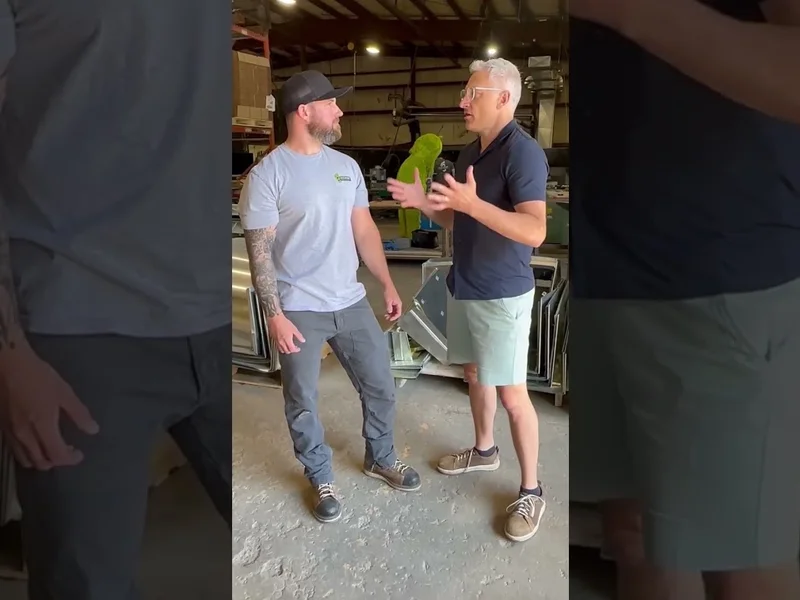
    What Is the Reversing Valve? How One Part Switches a Heat Pump From Heating to Cooling

    Kent shows Rob the reversing valve, the small part that lets a single heat pump both heat and cool your home. A piston inside slides one way for cooling and the other way for heating, redirecting refrigerant flow at the push of a button. You choose the temperature, the valve does the rest.

    • The reversing valve is the part that switches your system between heating and air conditioning.
    • Inside is a piston that slides to one side for cooling and the other side for heating.
    • It redirects the flow of refrigerant based on what you set on your thermostat.
    • Without this one small part, your heat pump could not work as an air conditioner.
    How Heat Pumps Auto-Defrost in Winter (Dual-Fan Smart Efficiency)

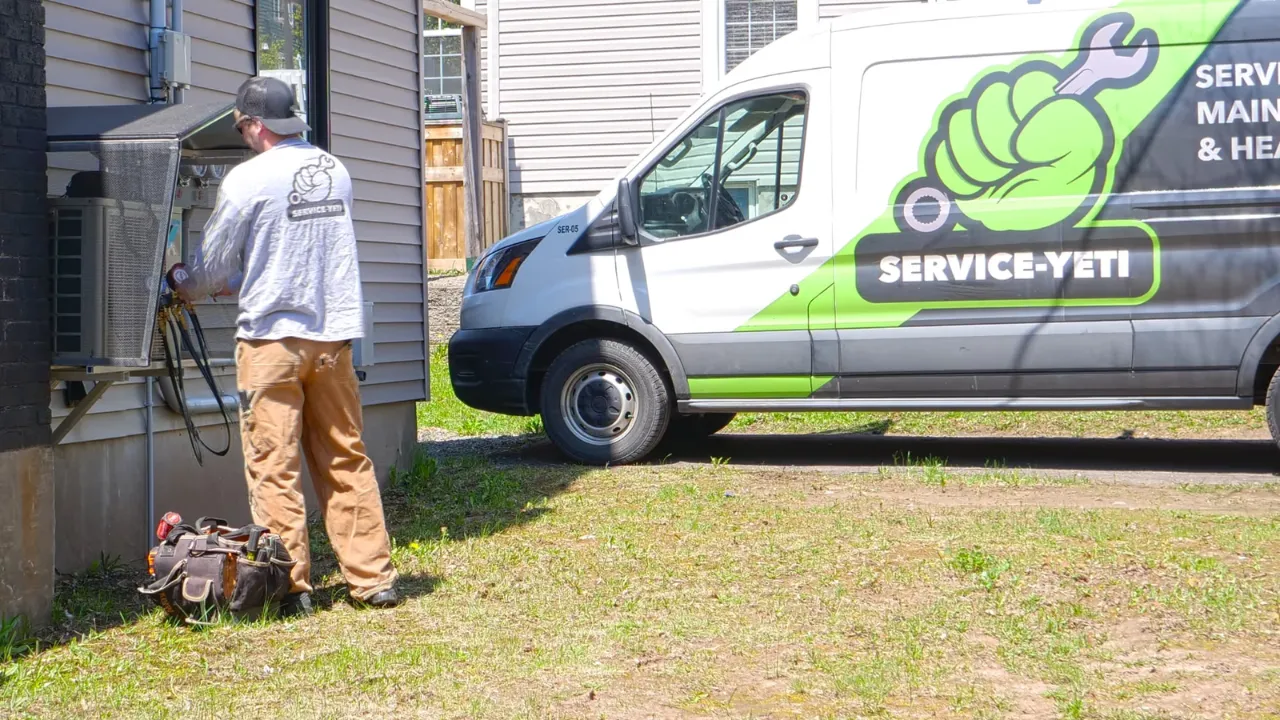
    Kent breaks down the dual-fan system on a modern heat pump: how it pulls air across the coils, detects winter frost, briefly flips into cooling mode to melt ice off the outdoor coil, then jumps right back to maximum-efficiency heating.

    • A dual-fan outdoor unit pulls more air across the coils for higher efficiency.
    • In winter, frost can form on the outdoor coil, and the system detects it automatically.
    • It briefly reverses to cooling mode and pushes heat outside to melt the frost (about 4–5 minutes).
    • You won't feel a temperature drop indoors, and the system returns to peak heating efficiency right after.

    Inside a 50-Ton Nordic Geothermal System

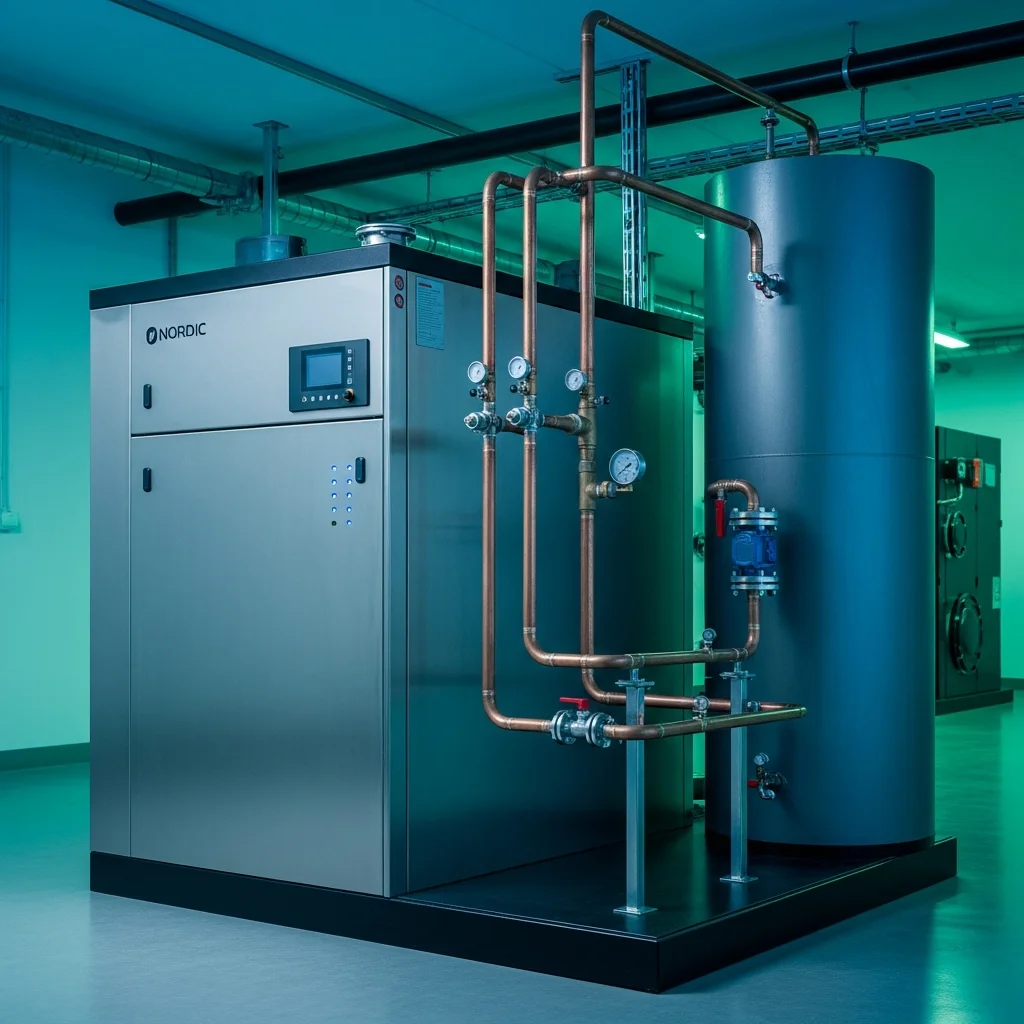
    Kent walks through a real 50-ton Nordic ground-source heat pump install, covering vertical loops, a 500-gallon buffer tank, and how the system delivers 50–60% energy savings on a 30,000 sq ft commercial space.

    • Ground-source (geothermal) heat pumps pull heat from stable underground temperatures year-round.
    • Vertical loops are drilled deep into bedrock, ideal when you don't have horizontal land for trenching.
    • A 500-gallon buffer tank smooths demand and protects compressor cycling on big commercial loads.
    • Real-world result on this 30,000 sq ft building: 50–60% energy savings vs. conventional heating.

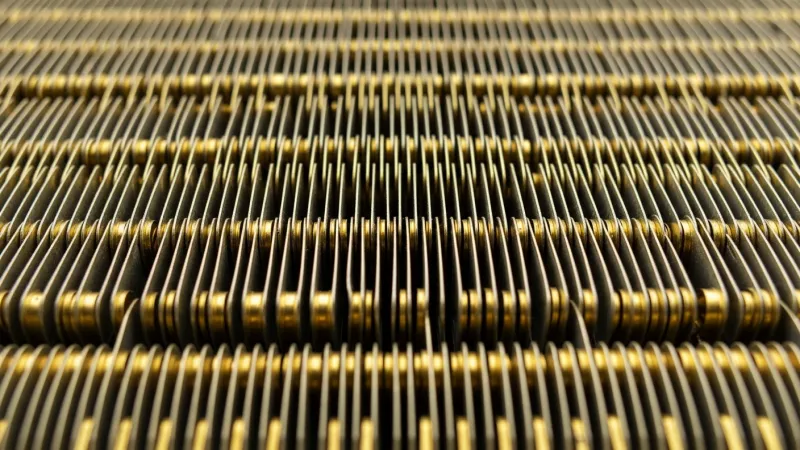
    Why Are These Heat Pump Fins Gold? Coastal Corrosion Explained

    Kent explains why heat pumps near the coast need gold-coated fins to resist salt-air corrosion, and why it matters for efficiency and lifespan in Atlantic Canada.

    • Gold-coated (parasite-coated) fins resist corrosion from salt air, which can travel up to 100 km inland.
    • Most homes in Atlantic Canada are within that 100 km coastal zone, so coil protection matters here.
    • Corroded fins restrict airflow, drop heat absorption, and cut overall efficiency.
    • If you're near the coast, ask for the gold-fin (corrosion-resistant) heat pump option.

    The Brain Inside Your Mini Split: How Inverter Technology Saves Energy

    Kent explains what the inverter control board inside a mini split actually does, why variable-speed compressor operation cuts your electricity bill, and why "set it and leave it" is the right advice for Canadian homeowners.

    • The inverter control board modulates compressor speed to match the exact heating or cooling load — it doesn't just switch on and off at full power.

    • Running at lower speeds during partial-load conditions draws less amperage and cuts electricity use.

    • Longer runtime at low speed is more efficient than repeated full-power cycles — it's not a problem.
    • "Set it and leave it" is the best habit: stable setpoints let the inverter maintain comfort without aggressive ramp-ups.

    Browse the Full Series

    New episodes drop regularly. Bookmark this page or subscribe on YouTube to catch every tip.

    From the Greenfoot Blog

    Pair Kent's videos with deeper articles, guides, and rebate breakdowns. Scroll through every post below.

    Why Trust Kent

    Kent Steeves has spent his career in Atlantic Canadian homes, diagnosing heating problems, sizing heat pumps for everything from saltbox cottages to multi-unit buildings, and explaining the weird stuff (like why your coastal coils corrode and your inland neighbour's don't).

    Kent's Corner is the short-form version of conversations he has with homeowners every week. No jargon, no upsell. Just straight answers to the questions people actually ask.

    Have a Question for Kent's Team?

    Get a free, no-pressure assessment from a Greenfoot Energy advisor. Heat pumps, solar, insulation, the works.

      How can we help you today?

      Book a Quote / New Install View Financing Options