
The short version: Add up every gap around your windows, doors, attic, basement, plumbing, wiring, and vents and the total is a major energy loss. Find the leaks first (a draft check, then a blower door test), match the right material to each gap, protect the openings your home needs, and treat air sealing and insulation as one building-envelope project.
A small draft around a window does not look like a major energy problem. Add every gap around your windows, doors, attic, basement, plumbing, wiring, vents, and framing together and the story changes.
Natural Resources Canada describes air leakage control as the single most important retrofit activity to consider first in a home upgrade strategy.
Air sealing helps your home hold heat during winter and keep unwanted outdoor heat out during summer. Rooms feel more consistent. Your heating and cooling equipment spends less time replacing energy lost through cracks and gaps.
The first step is finding where the air is moving. This guide covers New Brunswick, Nova Scotia, Prince Edward Island, Newfoundland & Labrador, and British Columbia.
Where air leaks usually hide
Start with the obvious areas. Common leakage points include:
- Exterior doors
- Window frames
- Attic hatches
- Baseboards and trim
- Electrical outlets on exterior walls
- Plumbing penetrations
- Bathroom and kitchen exhaust penetrations
- Ceiling light fixtures
- Fireplace dampers
- Basement rim joists
- Gaps where different building materials meet
- Openings around cables, pipes, and utility lines
Natural Resources Canada also points to windows, doors, wall cracks, trim, and ceiling fixtures as common problem areas.
Attics and basements deserve extra attention. Warm air rises through openings near the top of the home. Replacement air enters through lower leaks. This movement, often called the stack effect, creates many of the drafts people feel near basement walls, floors, doors, and windows.
Start with a simple draft check
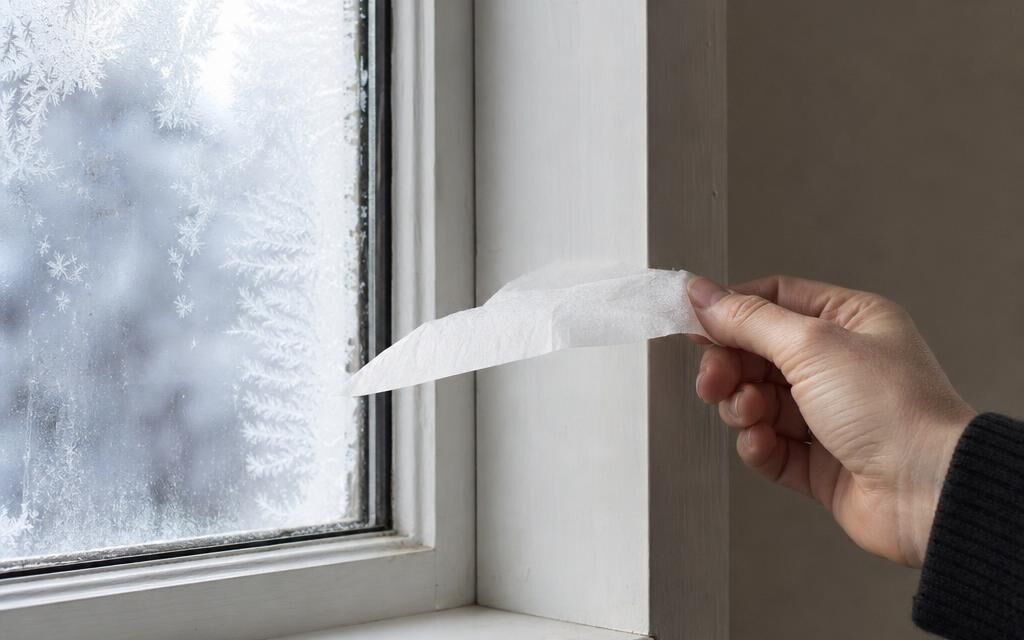
Walk through your home on a cold or windy day. Move your hand slowly around window frames, doors, baseboards, attic hatches, and exterior-wall outlets.
A thin piece of tissue also works. Hold the tissue near a suspected gap and watch for movement.
Look for visible clues too:
- Cracked or missing caulking
- Damaged weatherstripping
- Daylight around exterior doors
- Dirty marks around insulation or gaps (dust filtered out of moving air)
- Loose attic hatches
- Gaps around pipes and wiring
- Missing seals around exhaust penetrations
- Cold areas around basement rim joists
These checks help locate obvious problems. They do not measure the total leakage of the house.
A blower door test gives you better information
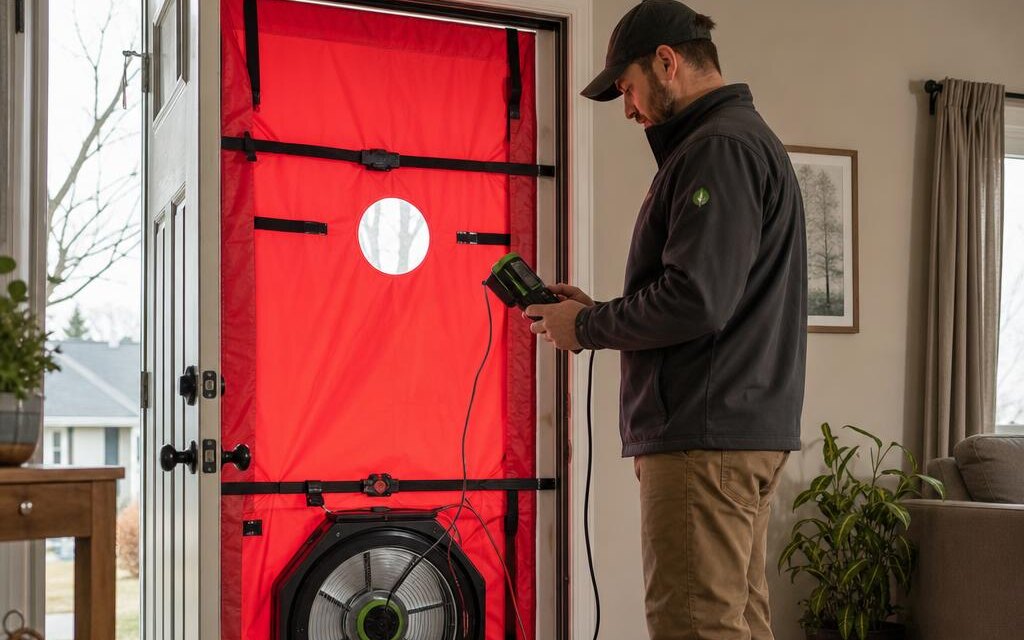
For a more complete picture, book an EnerGuide home energy evaluation.
A blower door test temporarily depressurizes the home. The test measures how quickly outdoor air enters through the building envelope. The energy advisor also looks for major leakage locations while the fan is running.
The result is commonly expressed as air changes per hour at 50 pascals, often shortened to ACH50. This gives you a baseline before work begins. A second test after air sealing shows whether the work reduced leakage, and most provincial air-sealing rebates are calculated from that measured improvement.
Natural Resources Canada uses blower door testing as part of the EnerGuide home evaluation process.
Match the seal to the gap
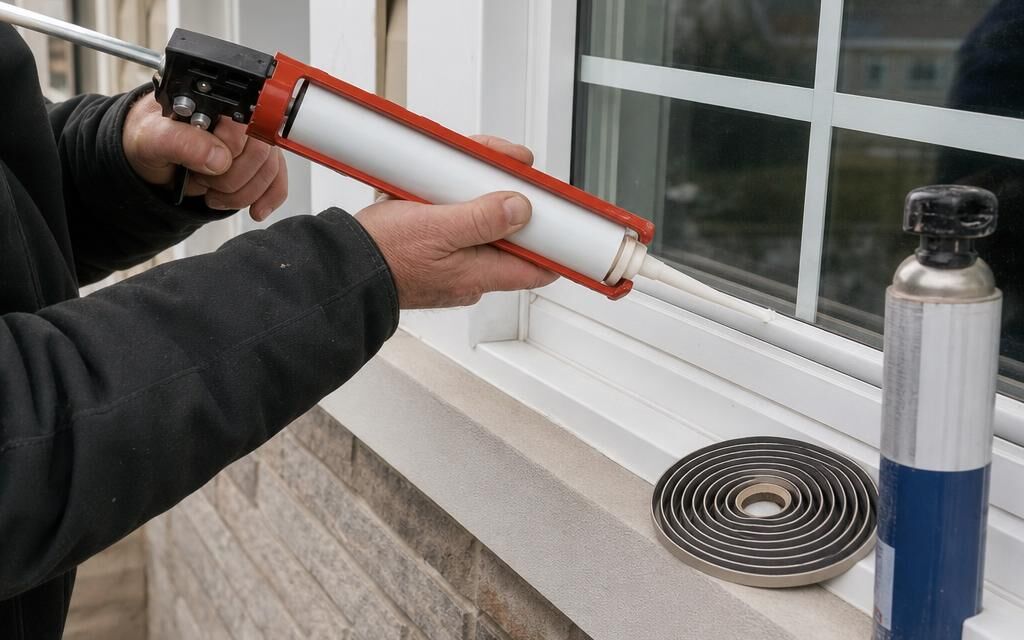
Different leaks need different materials.
Weatherstripping
Weatherstripping works well around parts which move, including exterior doors and operable windows.
Caulking
Caulking works better around stationary joints, window and door frames, trim, and smaller cracks.
Foam products
Approved foam products work well for larger openings around pipes, wiring, framing gaps, and selected building penetrations.
Outlet gaskets
Foam gaskets help reduce leakage through electrical outlets and switches on exterior walls.
Attic hatches
Attic hatches often need both weatherstripping and additional insulation.
Large rim-joist, attic, crawlspace, and framing problems deserve closer attention because moisture control and insulation also enter the equation.
Do not seal every opening you see
Some openings exist for a reason. Never block:
- Bathroom exhaust ducts
- Kitchen exhaust ducts
- Dryer vents
- Plumbing vents
- Required combustion-air openings
- Furnace or water-heater venting
- Drainage openings
- Required attic ventilation
Fuel-burning equipment needs special attention. Changing the pressure inside a home affects fireplaces, wood stoves, furnaces, and other combustion equipment.
A major air-sealing project should account for ventilation and combustion safety before the house becomes significantly tighter. If you are wondering whether that point has already been reached, read Is My House Too Airtight?.
Air sealing and insulation work together
Insulation slows heat moving through walls, ceilings, floors, and other building materials. Air sealing reduces heat carried away by moving air.
Adding attic insulation without sealing major gaps underneath leaves part of the problem untouched. The order matters.
Before adding blown-in attic insulation, for example, seal accessible gaps around plumbing penetrations, wiring, attic hatches, framing joints, and other leakage points where appropriate.
Greenfoot's insulation process starts with an assessment of the home's existing insulation, air leakage points, and thermal bridging. The work then includes air sealing and thermal-barrier improvements based on the areas identified during that assessment.
What about spray foam?
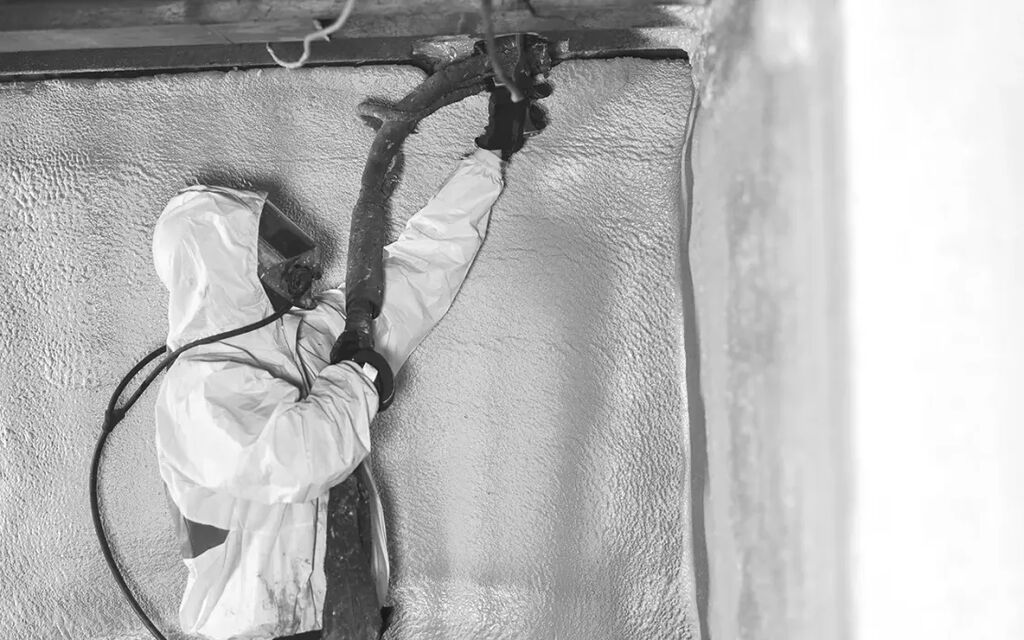
Spray foam combines insulation and air-sealing properties in one material. Common applications include:
- Basement rim joists
- Crawlspaces
- Exterior wall assemblies
- Difficult framing areas
- Areas with irregular gaps
- Selected attic applications
Greenfoot offers spray foam, blown-in, and batt insulation across New Brunswick, Nova Scotia, Prince Edward Island, Newfoundland, and British Columbia. The spray foam service includes identification of air leakage and thermal bridging before installation.
Watch ventilation after major air sealing
A tighter home still needs fresh air. Random leaks are a poor ventilation system because you have little control over where air enters, how much enters, or what moisture comes with the airflow.
After significant air-sealing work, review:
- Bathroom exhaust
- Kitchen exhaust
- Indoor humidity
- Whole-home ventilation
- Fuel-burning equipment
An HRV or ERV provides controlled ventilation for homes which need more consistent fresh-air exchange.
If condensation or stale air appears after extensive retrofit work, review ventilation instead of reopening leaks.
Current programs in the provinces we serve
Program details change. Confirm current terms with each program before you start work, and note that most air-sealing rebates require an assessment before and after the retrofit.
Rebate disclaimer: Program amounts and details above reflect published information at the time of writing. Rebates and incentives are offered by third-party utilities and government programs, not by Greenfoot Energy. Greenfoot cannot guarantee the availability, amount, or eligibility of any rebate. Programs can change, pause, or end without notice; confirm current terms directly with the program before you commit to any work.
New Brunswick
SaveEnergyNB currently offers air-sealing incentives through the Total Home Energy Savings Program. Current incentives range from $250 for a 10% reduction in measured air leakage to $550 for a 25% reduction, subject to program requirements.
Nova Scotia
Efficiency Nova Scotia offers Home Energy Assessments for homeowners looking to identify energy losses and plan efficiency upgrades. The assessment gives homeowners a better picture of where air and heat are escaping before larger retrofit work begins.
Prince Edward Island
PEI's Home Insulation Rebate pathway starts with a Home Energy Assessment. Provincial guidance describes air sealing as one of the most cost-effective ways to reduce heat loss.
Newfoundland & Labrador
TakeCharge currently offers an air-sealing rebate of up to $500. A pre-retrofit and post-retrofit energy assessment are required. The rebate amount depends on the measured improvement in air leakage.
British Columbia
Better Homes BC includes insulation upgrades under current home-efficiency programs. Eligible insulation work must follow provincial air-sealing and insulation retrofit requirements, with eligibility depending on the specific program.
Where I would start
Check your doors and windows first because they are easy to inspect. Then move to:
- The attic hatch
- Basement rim joists
- Plumbing penetrations
- Exterior-wall outlets
- Wiring penetrations
- Areas where different building materials meet
If your home feels drafty in several rooms or you plan a larger insulation project, get a blower door test. That gives you a measured starting point.
Seal the leaks which do not belong there. Protect the openings your home needs for ventilation, drainage, and combustion safety.
If insulation also needs work, deal with both problems as one building-envelope project rather than treating them separately. A free Greenfoot insulation assessment covers air leakage, thermal bridging, and existing insulation in one visit.
Frequently asked questions
How do I find air leaks in my house?
On a cold or windy day, move your hand or a tissue around window frames, doors, baseboards, attic hatches, and exterior-wall outlets. Look for cracked caulking, worn weatherstripping, daylight around doors, and dirty marks near gaps. For a measured result, book an EnerGuide evaluation with a blower door test.
Should I use caulking or weatherstripping?
Weatherstripping is for parts which move, such as doors and operable windows. Caulking is for stationary joints, frames, trim, and small cracks. Larger openings around pipes and wiring usually call for approved foam products.
Should I air seal before adding attic insulation?
Yes. Seal accessible gaps around plumbing, wiring, the attic hatch, and framing joints first. Insulation added over open gaps still lets warm air escape through them.
Can I make my house too tight?
A tighter home needs controlled ventilation. After major air sealing, review exhaust fans, humidity, and fuel-burning equipment, and consider an HRV or ERV rather than reopening leaks.