
Most homeowners notice a problem long before they know what is causing it.
One bedroom stays cold.
The power bill climbs.
The heat pump runs for hours.
Water collects on the windows every morning.
The basement smells damp.
The attic has frost.
The upstairs stays hot all summer.
These problems often overlap. Your heating system affects comfort, but so do insulation, air leakage, ventilation, humidity, ductwork, equipment sizing and controls.
Greenfoot Energy Solutions works across these areas. Instead of looking at one piece of equipment in isolation, the goal should be to find out where your home is losing energy, where comfort problems start and which upgrade fixes the source.
Below are 50 questions homeowners ask when something in their home does not feel right.
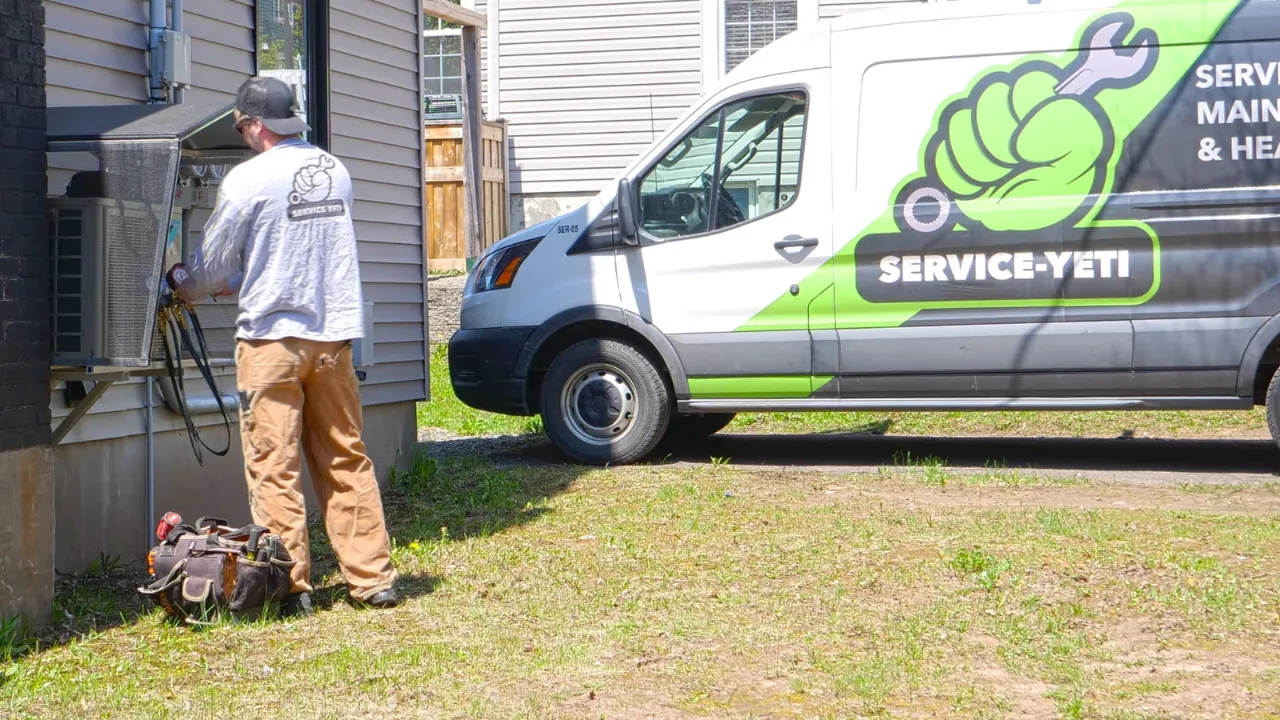
Heat Pumps, Heating and Air Conditioning
1. Why is one room always colder than the rest of my house?
A cold bedroom often points to a distribution problem, a heat-loss problem or both.
The room might sit above a garage. Exterior walls might have poor insulation. A duct run might deliver too little airflow. A mini-split might struggle to move warm air through a hallway and closed bedroom door.
Air leakage also matters.
Gaps around framing, attic penetrations, rim joists, windows and exterior doors let heat escape faster from certain areas of the house.
Turning up the thermostat heats every room. The cold room often stays uncomfortable.
Greenfoot service fit: Heat-pump assessment, ducted HVAC, ductless zoning, insulation and air-sealing work.
2. Why does my heat pump run for hours without shutting off?
Long runtimes are normal for many variable-speed heat pumps.
Modern systems often maintain temperature through steady, lower-output operation instead of repeated full-power starts and stops.
The concern starts when your home no longer reaches the thermostat setting, backup heat runs constantly, electricity use rises sharply or the system behaves differently from previous winters.
Possible causes include undersizing, dirty filters, blocked coils, refrigerant problems, weak airflow or excessive heat loss from the house.
Greenfoot service fit: Heat-pump inspection, maintenance, heating-load assessment and insulation review.
3. Why does the air from my heat pump feel cool during winter?
Heat-pump air often feels cooler than furnace air.
A furnace sends short bursts of hot air. A heat pump often delivers lower-temperature heat for longer periods.
Defrost cycles also change supply-air temperature for short periods. The outdoor unit reverses operation to remove frost from the coil.
A short temperature change is normal.
Hours of cold air, falling room temperatures or constant backup heat point to a problem worth inspecting.
Greenfoot service fit: Heat-pump diagnostics, defrost inspection, backup-heat inspection and maintenance.
4. Why does my heat pump struggle every time the temperature drops?
Cold weather increases the amount of heat your house loses.
Your heating system has to replace that heat fast enough to maintain the temperature you selected.
Several problems affect cold-weather performance:
Poor equipment sizing.
Weak attic insulation.
Air leaks.
Dirty filters.
Restricted airflow.
Low equipment output at colder temperatures.
Problems with backup heat.
A heat pump might be operating as designed while the house loses heat too quickly.
Greenfoot service fit: Cold-climate heat pumps, central systems, dual-fuel systems, HVAC service and insulation.
5. Why did my electricity bill increase after switching to a heat pump?
First, compare total heating cost.
A home switching from oil or propane moves more heating expense onto the electric bill. Your electricity use rises, but oil or propane purchases fall.
A large increase deserves a closer look.
Heavy backup-heat use drives electricity consumption up quickly. Poor thermostat settings, undersized equipment, dirty coils and high heat loss also contribute.
Greenfoot service fit: Heat-pump performance review, thermostat setup, maintenance and insulation assessment.
6. Why does my heat pump keep going into defrost mode?
Frost forms on the outdoor coil during certain winter conditions.
The heat pump enters defrost mode to remove the frost and restore airflow.
Frequent cycles deserve attention when indoor comfort drops, the outdoor unit develops heavy ice or the system spends too much time defrosting.
Sensor problems, drainage issues, restricted airflow and equipment faults are common places to investigate.
Greenfoot service fit: Heat-pump service, outdoor-unit inspection and defrost-system diagnosis.
7. Why is my outdoor heat pump covered in ice?
A thin layer of frost is normal during winter operation.
Heavy ice is different.
A thick layer of ice restricts airflow through the coil and lowers heating performance.
Possible causes include a failed defrost cycle, blocked drainage, freezing rain, deep snow, sensor faults or refrigerant issues.
Placement matters too. A unit buried in snow has a harder time moving air.
Greenfoot service fit: Heat-pump repair, seasonal maintenance and outdoor-unit assessment.
8. Why is my heat pump suddenly buzzing, rattling or grinding?
A new sound deserves attention.
Rattling often points to loose panels or vibration.
Grinding sometimes points to a fan motor or bearing issue.
Buzzing often involves an electrical component.
Ice or debris around the outdoor fan also creates noise.
Early inspection gives you a better chance of fixing a smaller issue before the system stops working.
Greenfoot service fit: HVAC inspection, heat-pump repair and preventive maintenance.
9. Why does my mini-split smell musty?
Moisture forms on the indoor coil during cooling and dehumidification.
Dust, moisture and organic buildup around the coil, blower wheel, drain pan or condensate line often create musty smells.
Cleaning the filter helps, but a persistent smell often comes from deeper inside the indoor unit.
Greenfoot service fit: Mini-split cleaning, condensate inspection and HVAC maintenance.
10. Why is water dripping from my indoor mini-split?
Your mini-split removes moisture from indoor air during cooling.
The water should leave through a condensate drain.
Water entering the room often points to a clogged drain, poor drain slope, frozen coil, dirty airflow components or a drainage fault.
Repeated moisture exposure damages drywall, flooring and trim. Damp materials also create favourable conditions for mould growth.
Greenfoot service fit: Mini-split repair, drain cleaning and system maintenance.
11. Why does my heat pump turn on and off every few minutes?
Frequent starts and stops often point to short cycling.
Possible causes include thermostat problems, airflow restrictions, dirty filters, equipment faults or oversizing.
Oversized equipment reaches the thermostat setting too quickly, shuts down and starts again soon afterward.
The result is poorer comfort and extra equipment wear.
Greenfoot service fit: System diagnosis, heating and cooling load calculation and equipment sizing review.
12. Why are my baseboard heaters still running so much after I installed a heat pump?
A mini-split heats areas where air moves freely.
Bedrooms behind closed doors often receive less heat.
Long hallways, split-level layouts and isolated rooms create similar problems.
One indoor unit might not serve the entire floor effectively.
High heat loss adds another layer. If your house loses heat quickly, the baseboards still have plenty of work to do.
Greenfoot service fit: Additional ductless zones, central heat-pump options, system sizing and insulation upgrades.
13. Should I keep my furnace and add a heat pump?
For some homes, a dual-fuel setup makes sense.
The heat pump handles most heating conditions. The furnace covers selected loads or colder conditions based on system design.
The decision depends on your furnace age, fuel cost, electrical service, ductwork, local climate and home heating demand.
Greenfoot service fit: Dual-fuel systems, central heat pumps and heating-system assessment.
14. Why is my upstairs hot all summer while my downstairs feels cold?
Second floors often face much higher heat gain.
The roof and attic sit directly above them.
Weak attic insulation makes the problem worse.
Duct balancing also matters. Too much cold air downstairs leaves less capacity upstairs.
Thermostat location adds another issue. A thermostat on the main floor shuts the system down once that floor reaches the target temperature, even when upstairs bedrooms remain hot.
Greenfoot service fit: Central HVAC assessment, ductless zoning, attic insulation and smart thermostat solutions.
15. Why does my house feel humid even with the air conditioning on?
Cooling and moisture removal happen together, but equipment setup affects both.
An oversized air conditioner cools the house quickly and shuts down before removing enough moisture.
Poor airflow, dirty coils, ventilation issues and humid outdoor-air leakage also raise indoor humidity.
A house sitting at 22°C still feels sticky when relative humidity stays high.
Greenfoot service fit: AC assessment, heat-pump service, ventilation and dehumidification and envelope improvements.
16. How do I know when repairing my old heat pump stops making financial sense?
Look at the pattern.
Repair bills keep rising.
Winter performance keeps dropping.
The system gets louder.
Electricity use increases.
Parts become harder to find.
Comfort gets worse.
One repair does not automatically mean replacement. Several expensive repairs over a short period deserve a different conversation.
Greenfoot service fit: Equipment condition assessment and repair and replacement planning.
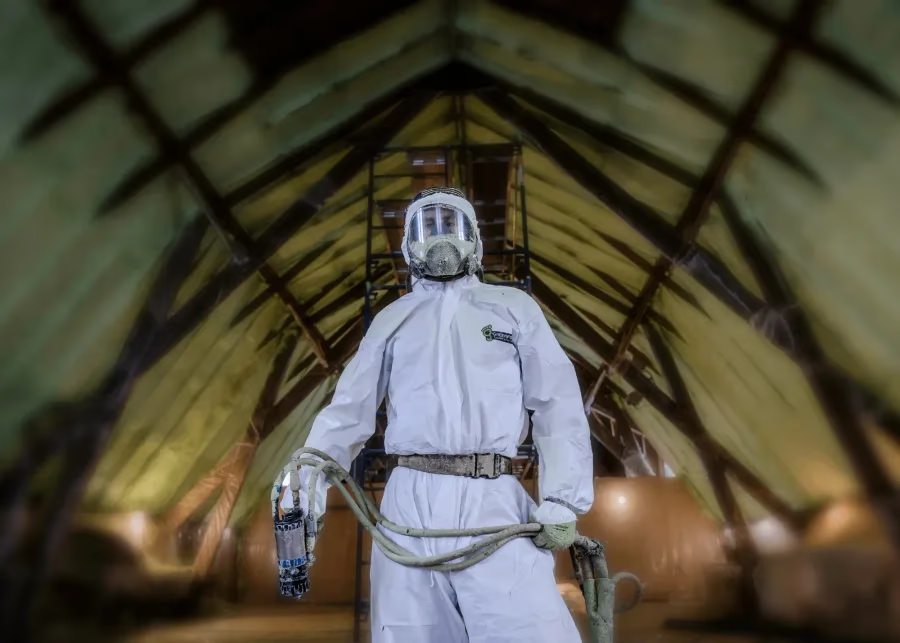
Insulation, Drafts and Heat Loss
17. Why is my house still drafty after I replaced the windows?
Windows are only one place where air enters a home.
Common leakage points include attic hatches, rim joists, plumbing penetrations, electrical boxes, exterior doors, foundation connections and gaps between building materials.
Replacing windows leaves all of those areas untouched.
Your new windows might work perfectly while cold air enters somewhere else.
Greenfoot service fit: Spray foam, insulation and air-sealing improvements.
18. Why do my walls feel cold even though the thermostat says 21°C?
Room temperature only tells part of the comfort story.
A poorly insulated exterior wall stays cold during winter.
Your body loses heat toward that cold surface, which makes the room feel less comfortable even when the thermostat reads 21°C.
Missing insulation, thin insulation, thermal bridging and air leakage all lower interior surface temperatures.
Greenfoot service fit: Wall-insulation assessment, blown-in insulation and spray foam where suitable.
19. Why are my floors freezing in winter?
Cold floors often point toward the basement, crawlspace or rim joist.
Common problems include missing insulation, gaps around floor framing, exposed foundation walls and cold air entering around the perimeter of the house.
Heating the room harder treats the symptom.
Improving the thermal boundary below the floor targets the source.
Greenfoot service fit: Basement insulation, crawlspace insulation and spray foam.
20. Why is my basement always colder than the rest of my house?
Concrete foundation walls lose heat.
Older basements often have little insulation around walls and rim joists.
Air leakage adds to the problem.
Even an unfinished basement matters because the rooms above sit directly over the colder space.
If you use the basement as a bedroom, office, playroom or family room, poor insulation becomes much more noticeable.
Greenfoot service fit: Foundation insulation and basement insulation, spray foam and HVAC options.
21. Why is the room over my garage always freezing?
Rooms over garages face several cold surfaces at once.
The floor sits over an unheated space. Exterior walls surround the room. Air leaks often develop around framing and penetrations.
Poorly installed or compressed insulation beneath the floor makes the room harder to heat.
Greenfoot service fit: Insulation assessment, batt insulation and spray foam where appropriate.
22. Why do I get huge icicles and ice dams every winter?
Recurring ice dams often point to heat reaching the roof from below.
Warm air leaking into the attic heats sections of the roof.
Snow melts.
The water moves toward colder roof edges and freezes again.
Poor attic insulation and uncontrolled air leakage often contribute.
Heating cables manage part of the symptom. Fixing attic heat loss addresses the source.
Greenfoot service fit: Attic insulation and air sealing.
23. My attic already has insulation. How do I know if I need more?
Seeing insulation does not tell you how well the attic performs.
Look at depth.
Look for thin areas.
Check whether insulation has settled.
Find bare spots.
Check around attic hatches and penetrations.
Inspect for moisture damage.
Make sure soffit ventilation stays open.
An attic with existing insulation still has plenty of room for improvement when coverage is poor or air leaks remain underneath.
Greenfoot service fit: Blown-in insulation, batt insulation and spray-foam work based on the attic design.
24. Why are my heating bills still high after buying an efficient heat pump?
Efficient equipment still has to replace every unit of heat your house loses.
A leaky attic increases heating demand.
Poor wall insulation adds more.
An uninsulated basement adds more again.
Your heat pump works harder because the building needs more heat.
Equipment efficiency and home efficiency have to work together.
Greenfoot service fit: Heat-pump optimization, insulation and air-sealing improvements.
25. Should I use spray foam, blown-in insulation or fiberglass batts?
The right material depends on the location.
Blown-in insulation works well for many attic applications and selected enclosed cavities.
Batts work well in accessible framing cavities when installers fit them properly.
Spray foam works well in areas where insulation and control of air movement both matter.
One product does not belong everywhere.
Greenfoot service fit: Spray foam, blown-in insulation and batt insulation selected for the assembly.
26. Why does cold air come through my electrical outlets and baseboards?
The outlet often marks the exit point, not the full leak.
Air moves through wall cavities, framing connections and gaps around penetrations.
You feel the draft around the outlet because air found a path into the room.
Fixing only the faceplate often misses the larger leakage route.
Greenfoot service fit: Envelope assessment, insulation and air-sealing work.
27. Why is my crawlspace damp, cold and making the floors uncomfortable?
Crawlspaces often combine moisture and heat-loss problems.
Common symptoms include cold floors, musty smells, damp insulation, condensation and high humidity.
The right repair depends on how water enters, where the insulation sits and how the crawlspace connects to the rest of the house.
Adding insulation without addressing moisture first creates new problems.
Greenfoot service fit: Crawlspace insulation, spray foam and air-sealing work.
28. Why am I getting frost or moisture in my attic?
Warm indoor air carries moisture.
When warm air leaks into a cold attic, moisture condenses or freezes on cold surfaces.
Common leakage points include attic hatches, light fixtures, plumbing penetrations, bathroom exhaust penetrations and wall top plates.
More insulation alone does not fix an active air leak.
Greenfoot service fit: Attic air sealing and insulation and ventilation assessment.
29. Why does my old house feel cold no matter how high I turn up the heat?
Older homes often have several problems at the same time.
Thin wall insulation.
Weak attic insulation.
Cold foundation walls.
Air leakage.
Older windows.
Poorly insulated rim joists.
Turning up the heat gives the heating system more work. Cold surfaces and drafts still affect comfort.
Greenfoot service fit: Whole-home heating, insulation and air-sealing improvements.
Ventilation, Humidity and Indoor Air Quality
30. Why do my windows have water running down them every morning?
Condensation forms when warm, humid indoor air reaches a cold surface.
Winter windows create the perfect place.
High indoor humidity, low ventilation, cold glass and heavy moisture production all contribute.
Cooking, showers, laundry and normal breathing add moisture every day.
Repeated condensation damages trim, drywall and window components.
Greenfoot service fit: HRV or ERV ventilation and humidity control and related envelope improvements.
31. Why does my house feel stuffy even though the temperature feels fine?
Heating and cooling control temperature.
Fresh air is a separate issue.
A tight home often holds onto cooking smells, moisture and indoor pollutants longer than an older drafty house.
Opening windows brings fresh air inside, but doing so all winter wastes heat.
Mechanical ventilation gives you controlled air exchange.
Greenfoot service fit: HRV, ERV and indoor-air-quality equipment.
32. Why did humidity problems start after I renovated and insulated my house?
Renovations often reduce uncontrolled air leakage.
That improves energy performance.
The house also loses less moisture through random cracks and gaps.
Cooking, showers, laundry and people keep adding moisture indoors.
Without enough planned ventilation, humidity starts climbing.
This is why insulation and ventilation should work together.
Greenfoot service fit: HRV or ERV installation, ventilation balancing and humidity control.
33. Why is the humidity in my house always above 60 percent?
Start by finding where the moisture comes from.
Common sources include showers, cooking, wet basements, foundation moisture, plumbing leaks, poor bathroom exhaust and humid outdoor air.
Cooling equipment also matters. Oversized air conditioning often removes less moisture because cycles end too quickly.
A hygrometer gives you a clear number to track instead of relying on how the air feels.
Greenfoot service fit: Ventilation and dehumidification, HVAC assessment and envelope improvements.
34. Why does my house get painfully dry every winter?
Cold outdoor air contains little moisture.
Once brought indoors and heated, relative humidity drops.
Excess ventilation and uncontrolled air leakage make winter dryness worse.
Some homes benefit from better control of air exchange. Others need humidity equipment.
The right answer depends on how dry the home gets and where the air enters.
Greenfoot service fit: Ventilation assessment, HRV or ERV review and humidity control.
35. Should I get an HRV or an ERV?
Both systems exchange stale indoor air with fresh outdoor air.
An HRV transfers heat between the outgoing and incoming air streams.
An ERV also transfers some moisture.
The better choice depends on your climate, home airtightness, occupancy and indoor humidity.
A home struggling with excess winter moisture has different needs from a home that becomes painfully dry.
Greenfoot service fit: HRV and ERV assessment, sizing and installation.
36. Why do cooking smells and pet smells stay in my house for hours?
Persistent odours often point to low ventilation.
A tight house keeps conditioned air inside, but stale air also stays longer unless a ventilation system removes it.
Kitchen and bathroom exhaust matter.
Whole-home ventilation matters too.
Air fresheners cover smells. They do not remove the source or improve air exchange.
Greenfoot service fit: HRV, ERV and indoor-air-quality solutions.
Hot Water and Water Heating
37. Why do we keep running out of hot water?
Start with demand.
A household with several showers, laundry and dishwasher use close together needs more hot water than a smaller household.
Equipment problems also reduce available hot water.
Failing elements, thermostat issues, sediment buildup and aging tanks all affect performance.
Greenfoot service fit: Water-heater inspection, replacement, tankless electric systems and heat-pump water heaters.
38. Why is my water heater suddenly costing so much to run?
Older electric resistance tanks use electricity to create heat directly.
A heat-pump water heater moves heat from surrounding air into the tank.
That difference changes energy use significantly.
Before replacing anything, check equipment age, household demand, hot-water settings and signs of failure.
Greenfoot service fit: Water-heating assessment, heat-pump water heaters and replacement options.
39. Why is my water heater making popping or rumbling sounds?
Sediment often builds up near the bottom of a storage tank.
Water trapped around mineral deposits heats and moves, which creates popping or rumbling noises.
Older tanks often develop more buildup.
Inspection helps determine whether maintenance still makes sense or whether the tank is nearing replacement age.
Greenfoot service fit: Water-heater inspection, maintenance and replacement.
40. My water heater is leaking. Do I need a new one?
The location of the leak matters.
A valve leak differs from a connection leak.
A leaking storage tank is another issue entirely.
Water around the tank should never be ignored. A small leak damages floors, drywall and nearby materials over time.
Greenfoot service fit: Leak diagnosis, water-heater repair and replacement.
41. Will a heat-pump water heater make my basement colder?
A heat-pump water heater pulls heat from the surrounding air and transfers it into the water.
The air leaving the unit feels cooler.
The unit also removes some moisture from the surrounding space.
Location matters.
A large basement gives the equipment a different operating environment from a tiny enclosed utility closet.
Greenfoot service fit: Heat-pump water-heater sizing, location assessment and installation.
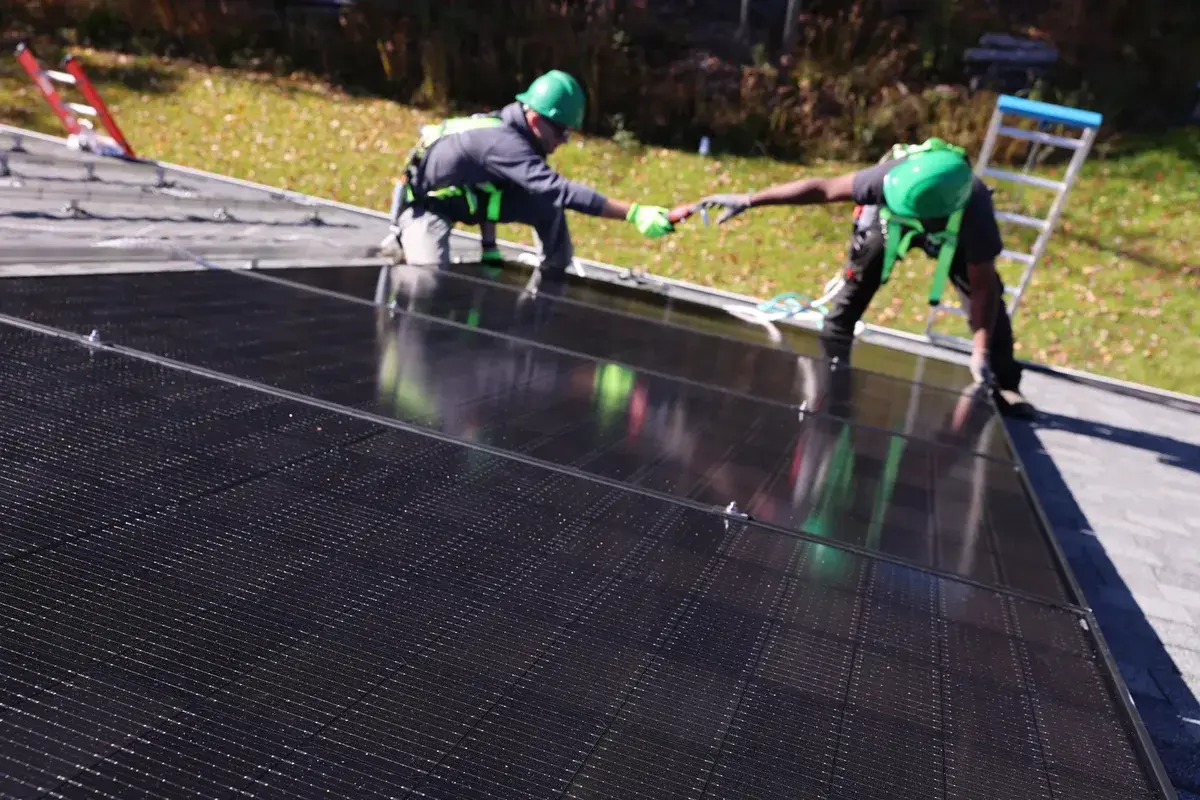
Solar and Electricity Costs
42. My electricity bill keeps going up. Does solar make sense for my house?
Start with your electricity use.
Then look at the property.
Roof direction matters.
Shade matters.
Roof area matters.
Local electricity rates matter.
Your annual consumption matters most of all.
A solar proposal should compare expected annual production against your real electricity use.
Greenfoot service fit: Solar assessment, system design and installation.
43. Why is my solar system producing less electricity than expected?
Start with the production data.
Compare current output with previous months and expected seasonal performance.
Lower output often comes from shading, inverter faults, equipment problems, electrical issues, obstructions or unrealistic original projections.
One cloudy week does not mean your system has a problem.
A large unexplained drop deserves investigation.
Greenfoot service fit: Solar monitoring, inspection, maintenance and repair.
44. Will my solar panels keep my house running during a power outage?
Standard grid-tied solar usually shuts down during an outage for electrical safety.
Homeowners wanting backup power need the right system design.
Battery storage changes what the home does during an outage.
The amount of backup depends on battery capacity, inverter design and which household loads you want to support.
Greenfoot service fit: Solar and battery storage and backup-power planning.
45. Should I improve my insulation before installing solar?
Review your energy use first.
If your house wastes large amounts of energy through the attic, basement or air leaks, lowering consumption changes the solar calculation.
The same applies to old heating equipment and inefficient water heating.
Reducing consumption first often leads to a better-sized energy system afterward.
Greenfoot service fit: Insulation, heat pumps, water heating and solar planning.
Generators and Backup Power
46. What happens to my heat pump when the power goes out in winter?
A heat pump needs electricity.
A long winter outage removes your primary heating source unless another heating system or backup-power source takes over.
Extended outages also increase the risk of frozen plumbing once indoor temperatures fall far enough.
Backup planning should start with the systems your household needs most.
Greenfoot service fit: Standby-generator assessment, sizing and installation.
47. What size generator does my house need?
Start with the loads you want to keep running.
A refrigerator, freezer, lights and internet require far less power than a whole house.
Heat pumps, well pumps, water heaters, ranges and other large electrical loads change generator sizing quickly.
The correct size comes from the electrical load, not the square footage of the house alone.
Greenfoot service fit: Electrical-load assessment, generator sizing and installation.
48. Is a standby generator worth replacing my portable generator?
The biggest difference is automation.
A standby generator sits permanently outside the home.
An automatic transfer switch detects the outage and transfers selected electrical loads to generator power.
You do not have to move equipment outside, run extension cords or start the generator manually during a storm.
The value depends on outage frequency, household needs and how much power you want available.
Greenfoot service fit: Standby generators, automatic transfer systems and maintenance.
Smart Controls and Soundproofing
49. Why am I constantly changing the thermostat but still uncomfortable?
A thermostat controls the heating or cooling system.
The thermostat does not fix insulation gaps, poor airflow, cold walls or large differences between rooms.
If comfort changes dramatically from one part of the house to another, look beyond the thermostat.
Smart controls still help with scheduling, remote access and temperature management once the underlying system works properly.
Greenfoot service fit: Smart thermostats, HVAC assessment, zoning and insulation review.
50. Why can I hear everything through my walls and floors?
Sound moves through several paths.
Voices and television noise travel through the air.
Footsteps create vibration through floors and framing.
Open wall cavities and poorly insulated assemblies allow more sound transmission.
The right treatment depends on where the noise starts and how the building assembly transfers it.
Greenfoot service fit: Acoustic insulation and soundproofing.
Many Home Comfort Problems Share the Same Cause
A high heating bill does not always mean your heat pump is failing.
A cold bedroom does not automatically mean you need a larger heating system.
Window condensation does not always mean you need new windows.
A hot upstairs does not always mean you need a bigger air conditioner.
Your home works as one connected system.
Insulation affects heat loss.
Air leakage affects heating demand.
Heating demand affects heat-pump sizing.
Air sealing affects indoor humidity.
Ventilation affects moisture and air quality.
Hot-water equipment affects electricity use.
Electricity use affects the economics of solar.
This is why solving the source matters more than treating the first symptom you notice.
If your house feels cold, hot, humid, drafty, expensive to operate or inconsistent from room to room, start with the problem you experience every day.
Then work backward to find out what is causing it.