
If you're thinking about putting panels on your roof in Halifax, Moncton, Charlottetown or anywhere else in the country, the first question is almost always the same: are they actually going to work? Canadian winters are no joke: heavy snow, freezing rain, the occasional hailstorm, and the last thing you want is a $20,000 system that quits on you in January.
The short answer: modern solar energy systems are one of the most reliable pieces of equipment you can put on a home. The longer answer is what this article is about. We'll walk through panel lifespan, what happens when something does go wrong, how the rest of the gear holds up, and whether the math actually works out for a Canadian household.
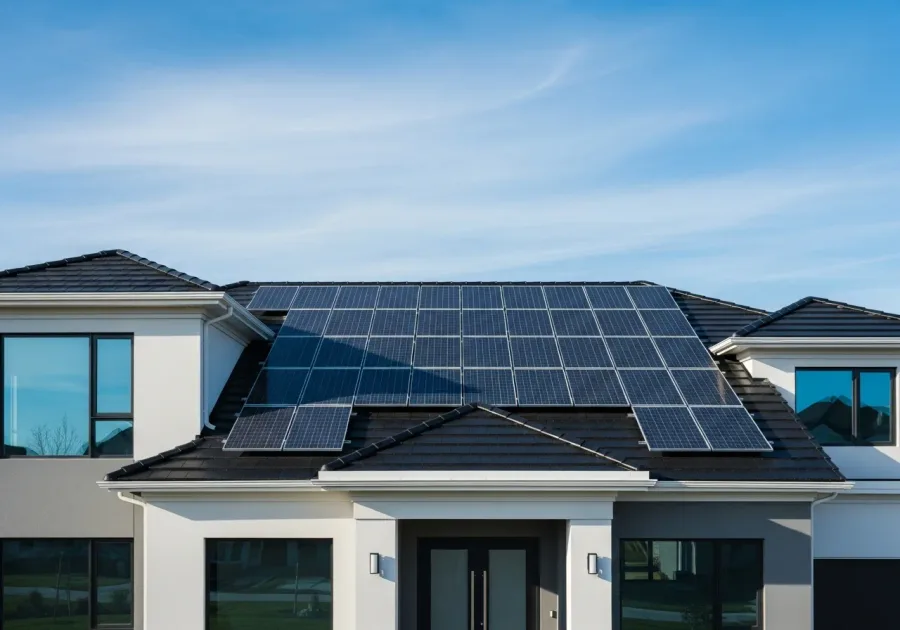
How long do solar panels actually last in Canada?
Quality panels are built to last. Most reputable manufacturers warranty their panels for 25 years and expect them to keep producing usable power well beyond that. The photovoltaics (PV) cells inside are solid-state with no moving parts, so the failure rate is genuinely low. What you're really paying attention to is gradual degradation: a small drop in output each year, usually around half a percent.
Here's roughly what to expect from a quality panel over its lifetime:
| Years in service | Expected output | Annual degradation |
|---|---|---|
| 0 – 5 | 98 – 100% | 0 – 0.5% |
| 5 – 10 | 95 – 97% | 0.5 – 0.7% |
| 10 – 20 | 85 – 90% | 0.5 – 1% |
| 20 – 25 | 80 – 85% | 0.5 – 1% |
So a panel rated at 400 watts today will still be cranking out somewhere around 320 to 340 watts when your kids are graduating high school. That's the kind of dependability that makes energy efficiency upgrades like solar a long-term play instead of a gamble.
What about snow, hail, and ice storms?
Panels sold in Canada are tested and certified for our climate. Most are rated to handle hail up to 25 mm at terminal velocity and snow loads well above what a typical Maritime or BC winter throws at them. Snow itself usually isn't a problem. Panels are slick, tilted, and dark, so they shed snow on their own once the sun comes back. The bigger issue is just lost production days during a long storm, which is why most homeowners treat solar as a yearly average rather than a daily expectation.
What if a panel actually fails?
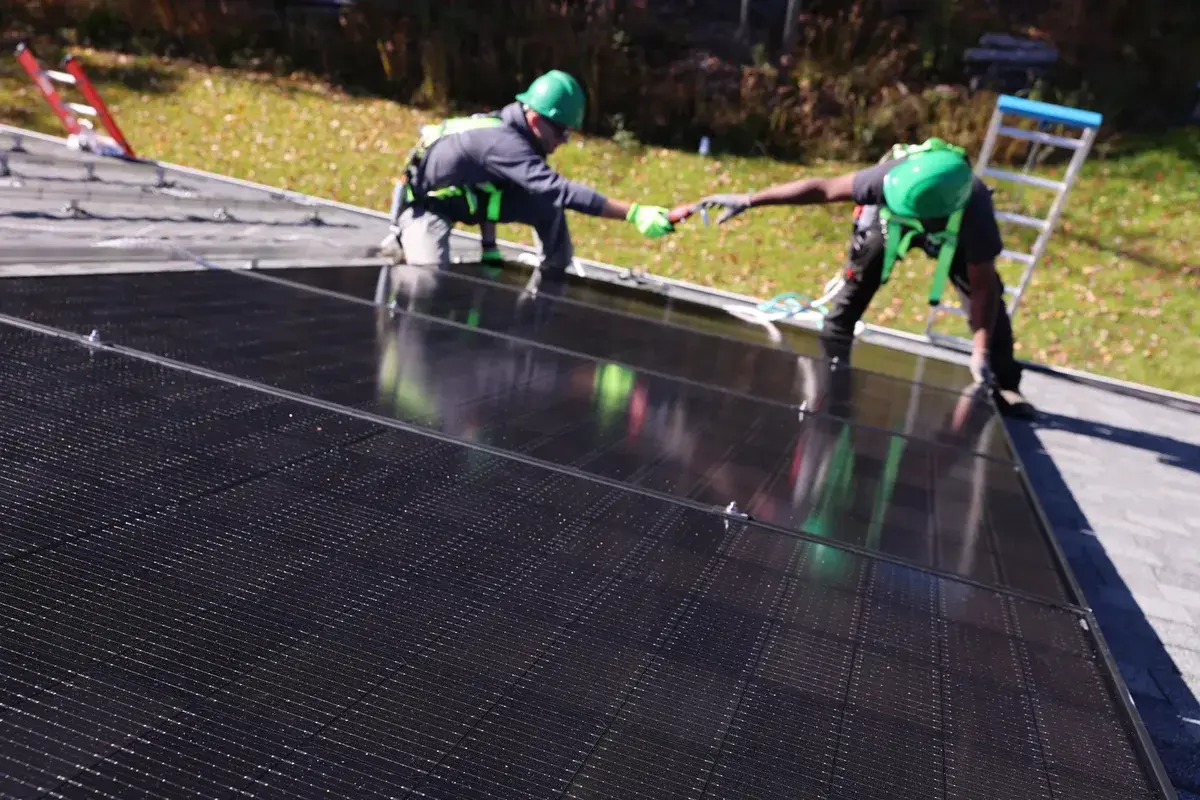
Failures happen, but rarely. When they do, you've got two layers of protection: the manufacturer's warranty on the equipment and the installer's warranty on the workmanship. Read both before you sign anything.
Reading the warranty fine print
There are usually two numbers in a panel warranty:
- Product warranty covers manufacturing defects, typically 12 to 25 years.
- Performance warranty guarantees the panel will still produce a minimum percentage of its rated output, usually around 80 to 87% at year 25.
If a panel drops below the guaranteed curve, the manufacturer either replaces it or compensates you for the lost production. Workmanship warranties from your installer are separate and cover things like roof penetrations, racking, and wiring.
Common issues and what they usually mean
| What you notice | Likely cause | What to do |
|---|---|---|
| Output dropped suddenly | Dirt, leaves, or shading from a new tree | Clean the panels and check for new shade |
| Output dropped gradually | Normal degradation, or one panel underperforming | Pull the monitoring data to find the panel |
| One string is dead | Wiring fault or blown fuse | Call your installer, don't open the combiner box |
| No production at all | Inverter fault or grid disconnect | Check the inverter screen, then call for service |
Most "panel" problems aren't actually the panels. They are usually the wiring, the inverter, or just dirt. A 30-minute service call often clears them up.
How reliable is the rest of the system?
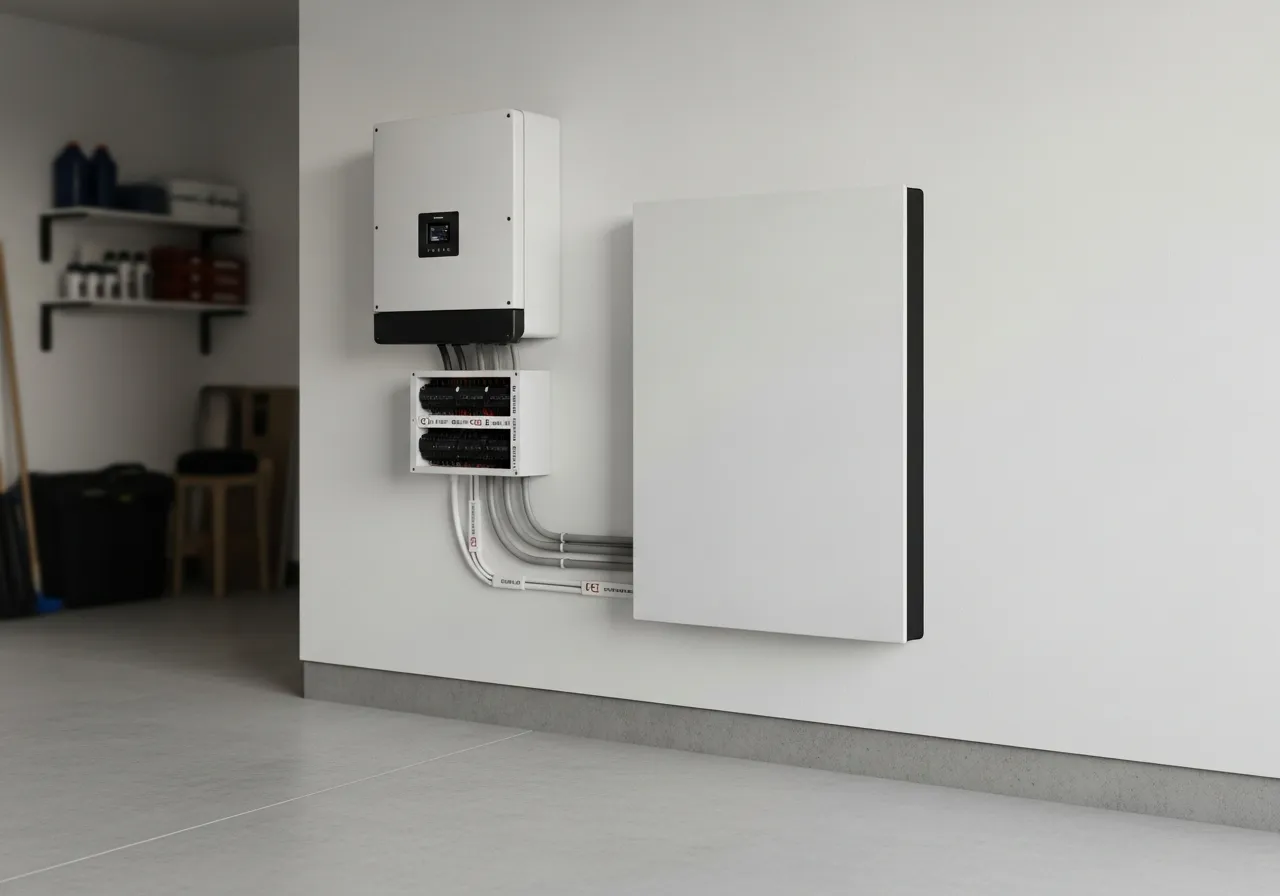
Panels are the durable part of a solar system. The components that actually move energy around, including the inverter, the wiring, and any battery storage you've added, all work harder and tend to wear out sooner.
Inverters
The inverter takes the direct current (DC) coming off your panels and converts it to the alternating current (AC) your house actually uses. Most string inverters last 10 to 15 years; microinverters mounted under each panel often come with 25-year warranties to match the panels. Either way, plan to replace the inverter at least once during the life of your system. It is not a surprise, it is just a maintenance item, like a hot water tank.
Batteries (if you have one)
Adding battery storage is optional, but it's becoming more common, especially for homeowners who want backup power during a Maritime ice storm. Modern lithium batteries are rated for 10 to 15 years of daily cycling and come with 10-year warranties tied to a guaranteed throughput (the total kWh they'll move over their lifetime). They're not cheap, but they turn solar into a real backup-power solution instead of just a bill-reducer.
Why annual maintenance pays for itself
Solar is low-maintenance, not no-maintenance. A yearly visual inspection of the racking, a quick wash if the panels are dusty, and a check of the monitoring data will catch most issues long before they cost you real money. Our YETI maintenance plan bundles solar checkups with the same kind of seasonal service we run on heat pumps and other equipment, so you're not juggling separate contractors.
Is solar a reliable enough source of power for a Canadian home?
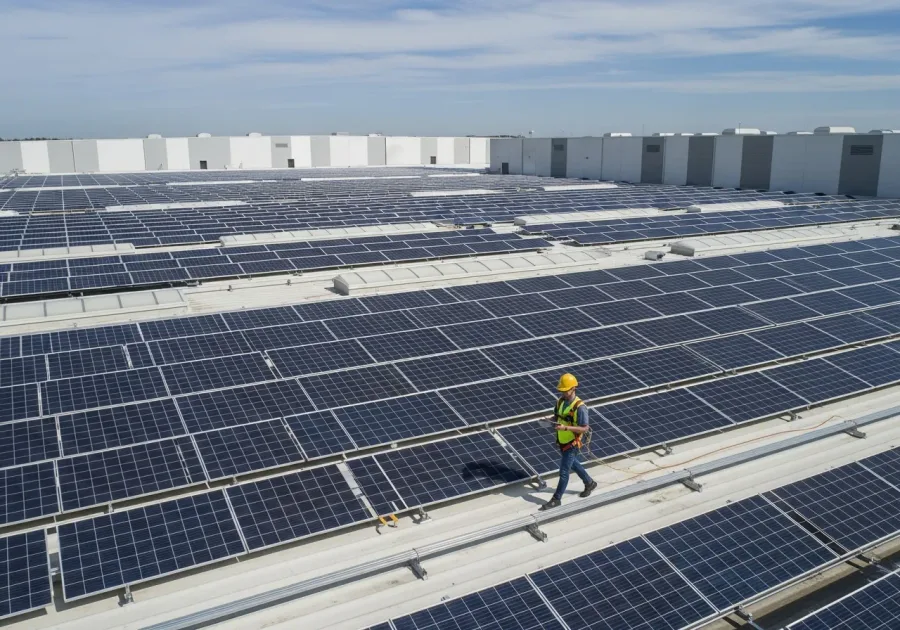
Reliability for a homeowner usually means two different things, and it's worth separating them.
1. Annual production
Will the system make the energy your installer said it would? For a properly designed grid-tied system, the answer is yes, almost every time. Production varies day to day with weather, but over a year it lands within a few percent of the modeled estimate. If your installer used real local irradiance data (not just a national average), you'll see numbers very close to what was promised.
2. Power during an outage
This one trips people up. A standard grid-tied system shuts off automatically when the grid goes down. That is a safety feature so a lineman fixing wires down the road doesn't get shocked by power flowing back from your roof. If you want power during an outage, you need either a battery or a generator paired with a transfer switch. Solar by itself is a bill-reduction tool, not a blackout solution.
Either way, the technology is mature. Tens of thousands of Canadian homes have been running solar for over a decade now, and the failure rates published by the federal energy regulator and provincial utilities are very low compared to almost any other piece of household equipment.
Is solar actually a smart investment in Canada?
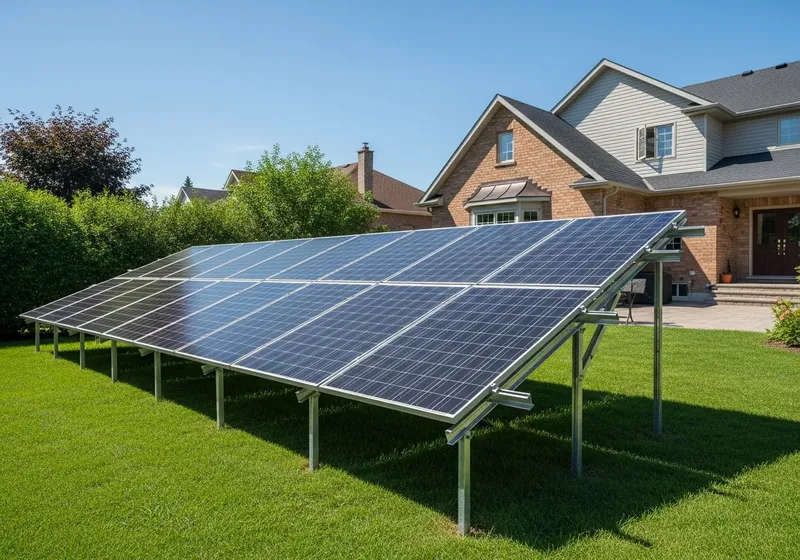
The honest answer: it depends on your province. The federal energy regulator's analysis on the return on investment of residential solar shows payback periods that vary wildly across the country, mostly because electricity rates and net-metering rules are very different from one province to the next.
What actually moves the math
- Your local power rate: every kWh you don't buy is a kWh saved at retail price. Higher rates = faster payback.
- Net metering rules: most Canadian utilities credit you 1-for-1 for power you push back to the grid, but the credit terms vary.
- Rebates and tax credits: programs come and go. Our latest rundown of Canadian solar rebates walks through what's currently available federally and by province.
- System size: larger systems are cheaper per watt installed and pay back faster, up to the point where you're producing more than you use.
- Financing: in-house financing through Financeit (alongside any provincial incentives you qualify for) makes it possible to spread the upfront cost across years instead of paying for it all on day one.
For most of Atlantic Canada and BC, a properly sized residential system pays for itself somewhere in the 8 to 12 year range and keeps producing free power for another decade or two after that. PEI homeowners in particular have done well thanks to the Solar Electric Rebate program. The picture is different again for commercial solar. Payback there is often faster because of the federal Clean Technology ITC and accelerated depreciation rules.
The non-financial side
A lot of our customers don't make the call purely on payback. Solar is one of the most direct things a homeowner can actually do about climate change. Every kWh you generate is a kWh that didn't come from burning fuel somewhere. Canada's official greenhouse gas emissions reporting puts buildings near the top of the emissions list, and residential electricity is a meaningful slice of that. If you're already insulating, switching to a heat pump, or thinking about an EV, adding solar ties the whole picture together.
Frequently asked questions
How do I know what size system I need?
Pull up a year's worth of power bills and look at total kWh used. A reputable installer will use that number, plus your roof orientation and local sun hours, to size the system. Most Canadian homes land somewhere between 6 and 12 kW. If you've already done insulation upgrades or switched to a heat pump, do those first, since you don't want to oversize solar for a house you're about to make more efficient.
Do I need to clean the panels myself?
Usually no. Rain handles 95% of it, and snow slides off on its own. If you live near a gravel road, a farm, or have a lot of pollen in spring, a once-a-year rinse from the ground with a hose is plenty. Don't climb on the roof. It is not worth the risk for the small production gain.
What brands do you trust for Canadian conditions?
We typically use Tier 1 panel brands like Canadian Solar, Q CELLS, and REC, paired with Enphase or SolarEdge inverters. The specific model depends on your roof and budget, but anything we install is rated for Canadian snow loads, hail, and temperature swings.
Can I add solar to a home with a heat pump or EV charger?
Absolutely. In fact, that combination is where solar starts to really pay off. A bigger electric load means you can offset more of your bill, which shortens the payback period. Just plan ahead: tell your installer about any planned electrification so they can size the system and main panel correctly.
What about myths I keep seeing online?
We wrote a separate post on common solar myths, including things like "solar doesn't work in cold weather" or "panels stop working after 10 years." The short version: most of the scary stories online are about systems installed in the early 2000s with technology that's two generations old.
The bottom line
Modern solar is reliable. Panels last decades, the rest of the gear is well-understood, and the math is finally working out for a lot of Canadian households. The trick is sizing the system correctly for your home and getting it installed by a crew who'll still be around in 10 years to honour their warranty.
If you're curious whether solar makes sense for your house, a free home assessment from our team is the easiest way to find out. We'll pull your last 12 months of bills, look at your roof, and give you straight numbers, including what to expect for production, payback, and ongoing maintenance. You can also browse our full solar lineup to see the residential and commercial systems we install across Atlantic Canada and BC.