
Some appliances work quietly in the background for years. You barely think about them until the electricity bill arrives.
An older refrigerator in the basement. A second freezer holding a few bags of food. A dryer running longer than needed. TVs, game consoles, and chargers drawing power even when nobody uses them.
Those small loads add up.
According to Natural Resources Canada, household appliances such as refrigerators, freezers, dishwashers, and water coolers account for about 14.1% of energy use in the average Canadian home.
Standby power creates another expense. Natural Resources Canada reports electronics and connected devices sitting in standby mode account for roughly 5% to 10% of a household electricity bill.
Finding the biggest energy users starts with knowing where to look.
Start With the EnerGuide Label
When shopping for a major appliance in Canada, look for the black-and-white EnerGuide label.
The label shows estimated annual electricity consumption in kilowatt-hours, or kWh. It also compares the appliance with similar models.
Lower annual kWh means lower electricity use.
You can learn more about how the label works through Natural Resources Canada’s EnerGuide program.
Use the annual kWh number to estimate operating cost.
Example
A refrigerator using 400 kWh per year at an electricity rate of $0.15 per kWh costs about $60 per year to operate.
A similar refrigerator using 650 kWh per year costs about $97.50 per year.
Over 10 years, the difference reaches $375 before future electricity rate changes.
EnerGuide and ENERGY STAR serve different purposes.
EnerGuide shows estimated annual energy consumption.
ENERGY STAR identifies models meeting stricter efficiency requirements.
According to Natural Resources Canada, ENERGY STAR certified products generally fall among the top-performing products in their category for energy efficiency.
Your Old Refrigerator Deserves a Closer Look
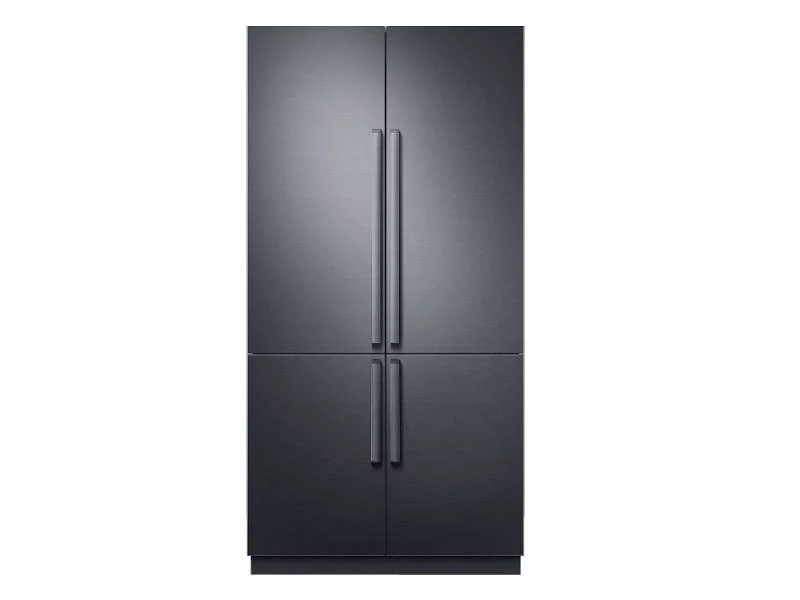
Refrigerators never stop working.
They run 24 hours a day, 365 days a year.
An efficiency difference which seems small each hour becomes much larger over several years.
Natural Resources Canada reports an older refrigerator uses about 35% more energy, on average, than an ENERGY STAR certified model.
A certified refrigerator also uses about 9% less energy than a standard new model.
That makes the old basement refrigerator one of the first appliances worth checking.
Many households replace the kitchen fridge, then move the old one downstairs or into the garage. The result is two refrigerators running year-round, with the less efficient model often holding drinks, frozen food, or a small amount of overflow.
Look up the model number. Find the estimated annual kWh consumption. Compare the number with newer models.
You might find the convenience of keeping the old fridge plugged in costs more than expected.
Size also matters. Natural Resources Canada notes larger appliances generally consume more energy.
Buying a refrigerator much larger than your household needs means paying to cool unused space for years.
A Few Basic Refrigerator Checks
- Keep refrigerator coils clean
- Leave enough room around the appliance for airflow
- Keep the refrigerator between 1.7°C and 3.3°C
- Keep the freezer near -18°C
- Check door seals for gaps or damage
Natural Resources Canada provides more refrigerator and appliance efficiency tips through its ENERGY STAR appliance savings guide.
Dryers Deserve Attention Too
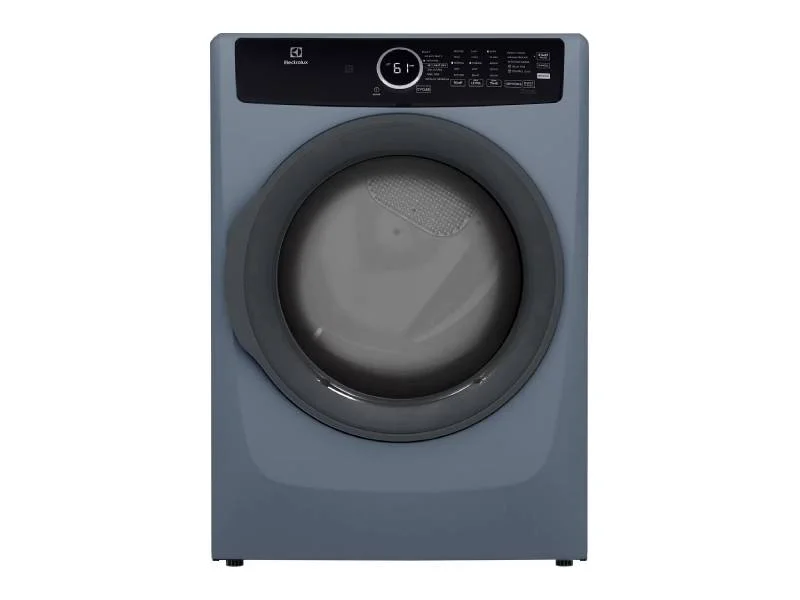
A clothes dryer uses heat and airflow to remove water from clothing.
Long cycles, blocked airflow, and over-drying increase energy consumption.
According to Natural Resources Canada, an ENERGY STAR certified dryer uses about 20% less energy than a standard model.
Heat pump dryers go further. NRCan reports energy savings of roughly 20% to 60% compared with conventional dryers.
You do not need a new dryer to improve efficiency.
Start with how you use the one you already own.
Reduce Dryer Energy Use
- Clean the lint screen after every load
- Use moisture-sensing settings instead of adding extra drying time
- Avoid packing the drum too tightly
- Dry similar fabrics together
- Use a higher washer spin speed before transferring clothes to the dryer
Natural Resources Canada includes more everyday efficiency recommendations in its home energy savings guidance.
Your washing machine also affects how much work the dryer needs to do.
ENERGY STAR certified clothes washers use about 25% less energy and 33% less water than standard models.
Higher spin speeds remove more water from clothing before the drying cycle begins. Less water in the fabric means less dryer time.
Cold-water washing also reduces energy used for heating water.
Dishwashers Are Often More Efficient Than Hand Washing
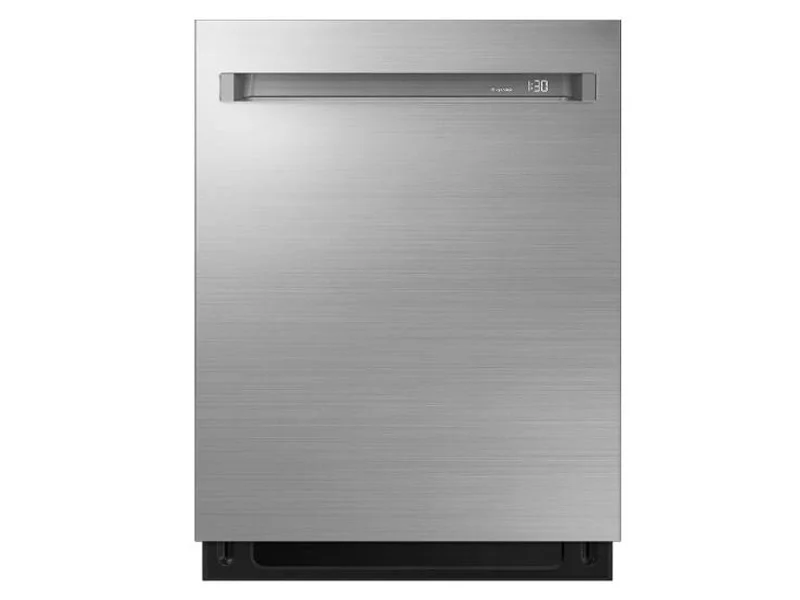
Some homeowners try to save electricity by avoiding the dishwasher.
Depending on how you wash dishes by hand, the opposite result might occur.
Natural Resources Canada reports ENERGY STAR certified dishwashers use about 12% less energy and 30% less water than standard models.
A certified dishwasher uses less than 15 litres of water per cycle.
A running faucet uses up to 15 litres every two minutes.
The biggest opportunity often comes from changing your routine.
Use Your Dishwasher More Efficiently
- Scrape leftover food from plates instead of fully rinsing every dish
- Wait until the dishwasher has a full load
- Use an eco cycle when appropriate
- Choose air drying when your dishwasher offers the option
The Second Freezer Has a Cost
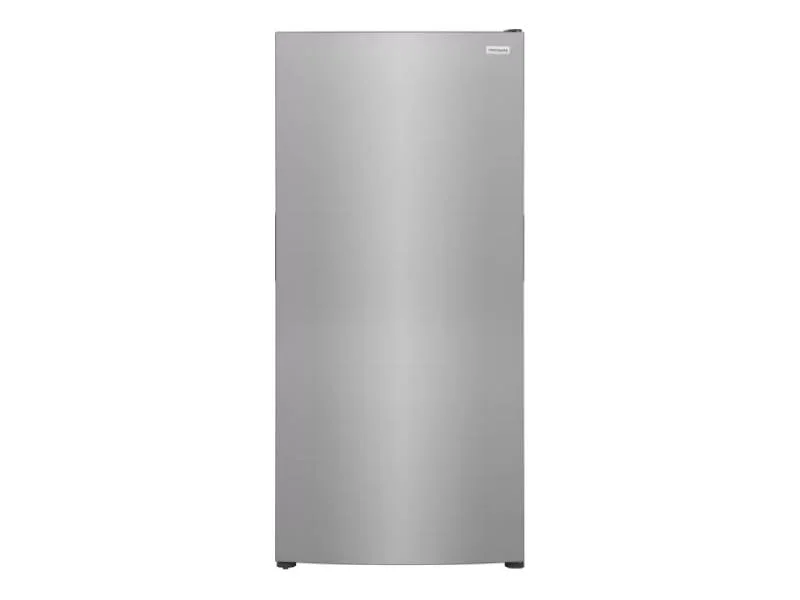
Freezers often sit in basements or garages where nobody thinks much about them.
They still run every hour of the day.
A freezer holding a small amount of food might deserve a closer look, especially when the unit is older.
Natural Resources Canada reports an ENERGY STAR certified chest freezer uses about 10% less energy than a standard model.
Chest freezers also tend to retain cold air better when opened because cold air stays lower inside the cabinet.
Look at how much freezer space your household uses.
If two older freezers stay half empty, consolidating food into one efficient unit might reduce electricity consumption without changing how much food you store.
Standby Power Hides Throughout the House
Turn off a television and the screen goes black.
Power use does not always stop.
Televisions, game consoles, printers, speakers, streaming devices, chargers, clocks, and connected appliances often continue drawing electricity in standby mode.
Natural Resources Canada estimates standby power represents about 5% to 10% of a household electricity bill.
Hydro-Québec notes an average home has roughly 20 to 40 electronic devices drawing phantom power. Home electronics also spend a large share of their time sitting in standby.
Look Around Your Home for:
- TVs and streaming boxes
- Game consoles
- Printers
- Desktop computer accessories
- Audio equipment
- Chargers left plugged into outlets
- Guest-room electronics
- Kitchen appliances with clocks or digital displays
- Equipment with instant-on features
Switched power bars work well for groups of electronics.
Turn the power bar off when the devices are unused.
Natural Resources Canada also recommends advanced power bars with timers or master outlets for entertainment systems and computer setups.
Bigger Appliances Often Mean Bigger Energy Use
A larger appliance does not always make sense for your household.
A huge refrigerator serving two people uses space and electricity you might never need.
The same applies to oversized freezers and washing machines running small loads.
Natural Resources Canada recommends choosing appliance capacity based on household needs, since larger appliances generally use more energy.
When comparing replacement models, start with products of similar size.
Then compare the annual EnerGuide kWh numbers.
Extra features matter less if one appliance uses considerably more electricity for the next decade.
Do a 20-Minute Appliance Audit
Walk through your home and make a simple list.
Start with:
- Refrigerators
- Freezers
- Washers
- Dryers
- Dishwashers
- Dehumidifiers
- Portable air conditioners
- Electronics running throughout the day
Check Each One For:
- Approximate appliance age
- Model number
- Annual EnerGuide kWh consumption
- ENERGY STAR certification
- Door seals
- Refrigerator coil condition
- Dryer lint buildup
- Appliances running with little inside them
- Electronics sitting in standby
- Chargers and adapters left plugged in
- Washer and dishwasher load sizes
- Dryer cycle length
Then focus on the biggest opportunities first.
An old refrigerator running 24 hours a day deserves more attention than a toaster used for five minutes each morning.
A dryer running six times each week matters more than a blender used twice a month.
Energy efficiency becomes much easier once you stop treating every appliance the same.
Find the equipment running longest. Check its age. Compare its annual energy consumption. Fix maintenance problems. Change wasteful settings. Replace inefficient appliances when the operating numbers support the cost.
The biggest energy pig in your house might be sitting quietly in the basement right now.