
Smart homes are becoming more useful because the focus is shifting away from novelty features and toward practical everyday control. Homeowners want lights, thermostats, sensors, and energy tools to work together with less effort.
The strongest upgrades are easy to use, easy to override, and connected to routines you already follow. For most Canadian homes, the best starting points are lighting, temperature control, and simple automation.
Statistics Canada reported that 47.4% of Canadians used at least one internet-connected smart-home device in 2022. Smart plugs or lights reached 13.8%, while smart thermostats reached 12.7%.
Smart Lighting Is Getting More Practical
Smart bulbs still have a place, especially in lamps, bedrooms, and accent lighting. For main ceiling fixtures, smart switches and dimmers often make more sense. A wall control keeps the room familiar, so anyone can still turn the lights on while schedules, dimming, and automation work in the background.
Useful places to begin include:
- Kitchen and living room dimmers
- Motion-based hallway lighting
- Closet and laundry room auto-off controls
- Exterior lights tied to sunset and sunrise
- Lower overnight brightness in halls and bathrooms
Adjustable white light is also gaining ground. Warm light suits bedrooms and living spaces, while brighter neutral light works well in kitchens, offices, garages, and task areas.
Energy efficiency still starts with LED. Natural Resources Canada says ENERGY STAR certified LED bulbs use up to 90% less energy than traditional incandescent bulbs and last at least 15 times longer. Lighting remains one of the easiest ways to modernize a home without a major renovation.
Smart Thermostats Are Becoming a Core Home Upgrade
Heating and cooling deserve more attention than decorative smart devices. A smart thermostat provides better control over schedules, temperature changes, and daily comfort. Remote access also helps when you travel, work away from home, or manage another property.
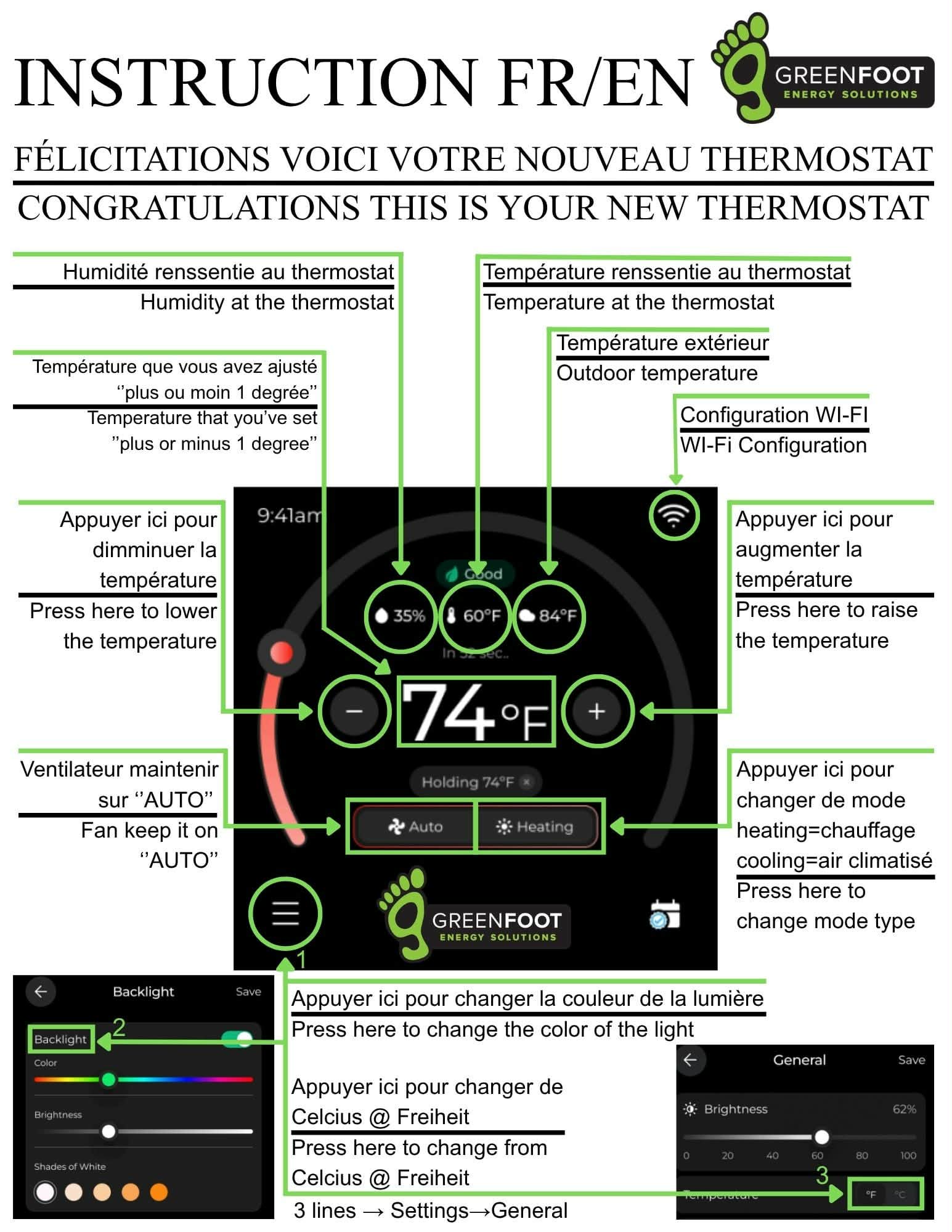
For Greenfoot customers, the Peak Smart Thermostat brings those controls into one system. The platform includes smartphone control, custom scheduling, real-time temperature monitoring, remote system health monitoring, and support for a wide range of HVAC setups.
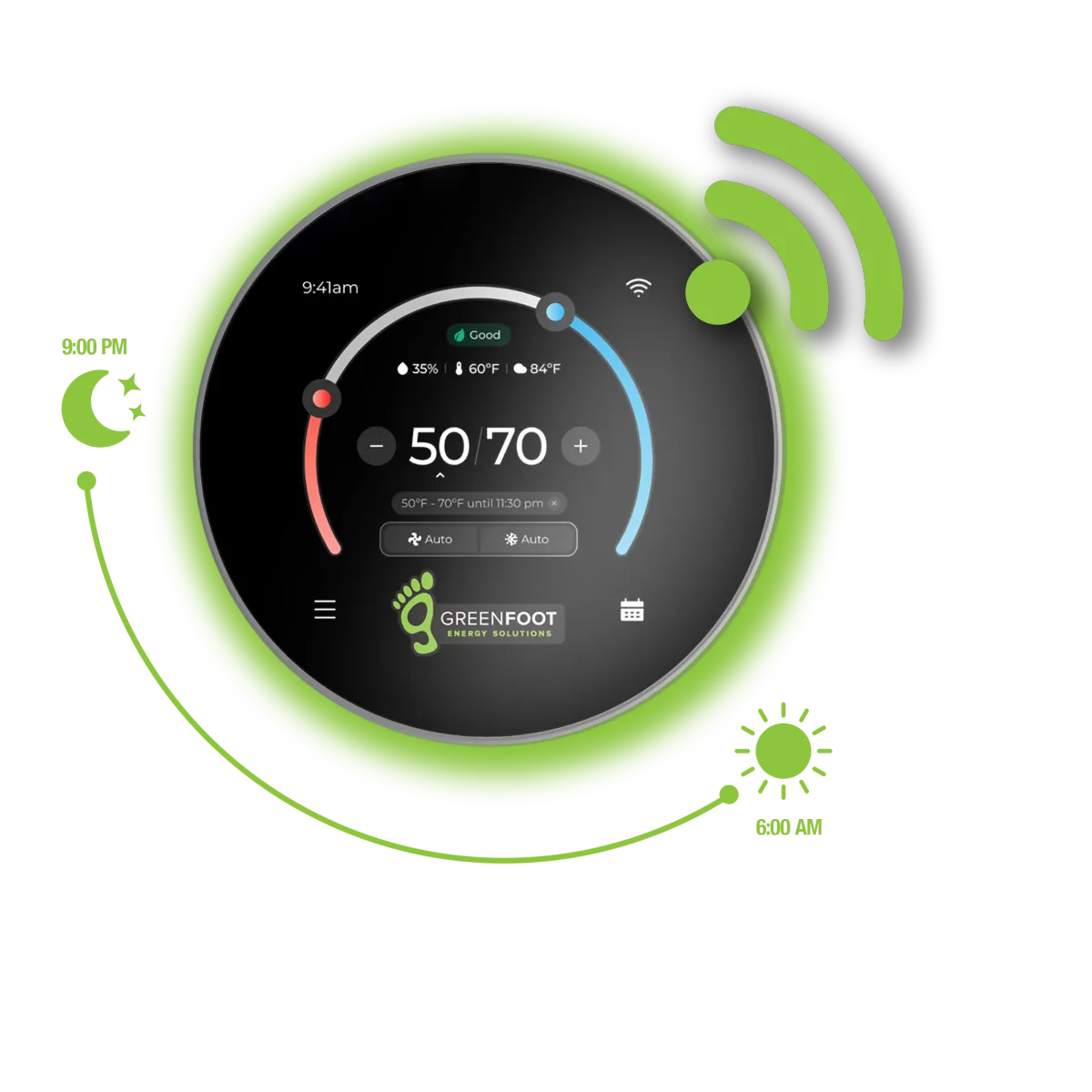 Explore the Peak Smart Thermostat and connected home comfort controls.
The important part is compatibility. A thermostat has to match the heating and cooling equipment, wiring, and control requirements in your home. Start with the HVAC system, then choose the smart features you want. Greenfoot offers Peak Thermostat installation across New Brunswick, Nova Scotia, Prince Edward Island, Newfoundland and Labrador, and British Columbia.
Want smarter control of your home comfort?
See Peak Thermostat features, compatibility, monitoring tools, and installation options.
Explore Peak ThermostatAutomation Is Moving Beyond Phone Control
Opening an app every time you want a light turned off misses the point. Useful automation handles predictable routines for you. A hallway light can turn on at low brightness after dark, exterior lights can follow sunset, and a bedtime routine can lower selected lights while adjusting the thermostat.
Start with routines where someone in your household repeats the same action every day:
- Entry lighting after sunset
- Automatic bathroom or hallway lighting overnight
- Exterior lighting schedules
- Away settings for temperature and selected lights
- Laundry, garage, and utility lights with automatic shutoff
Keep a normal physical control wherever possible. Guests, children, and other family members should not need an app to use the house.
Energy Monitoring Is Becoming More Useful
Smart plugs, connected thermostats, and home energy monitors provide more detail about when electricity is being used. The goal should be finding something worth changing, not creating another screen to check.
A home office drawing power overnight, a dehumidifier running longer than expected, or a heating schedule that does not match your routine gives you a clear action to take. Start with the biggest or most frequent loads. Heating, cooling, water heating, and long-running equipment deserve more attention than a small lamp used for an hour.
Privacy and Security Need More Attention
More connected devices mean more accounts, software, and household data. The Government of Canada's Get Cyber Safe program recommends changing default usernames and passwords, keeping device software current, and enabling automatic updates where available. A separate guest Wi-Fi network for smart devices can provide another layer of protection.
Before adding a connected device, check:
- Whether it still works during an internet outage
- Whether basic controls work without a phone
- Whether software updates arrive automatically
- What household data the device collects
- Whether remote access requires a paid subscription
- How many separate accounts your setup requires
Where Should You Start?
Do not fill the house with connected devices all at once. Start with one or two upgrades tied to comfort or energy use. For lighting, choose high-use rooms and places where lights get left on. Add dimmers, schedules, or occupancy controls where they solve a clear problem.
For heating and cooling, consider thermostat control next. A properly matched smart thermostat provides more useful day-to-day control than many connected appliances. From there, add energy monitoring, exterior lighting, leak sensors, or other controls based on your household routine.
A simple smart home works better than a complicated one. Your phone should not become the only way to operate your house. The strongest setups keep switches familiar, automate repetitive tasks, and give you better control over energy use.
Sources
- Statistics Canada, Canadian Internet Use Survey
- Natural Resources Canada, ENERGY STAR certified lighting and residential products
- Government of Canada, Get Cyber Safe