
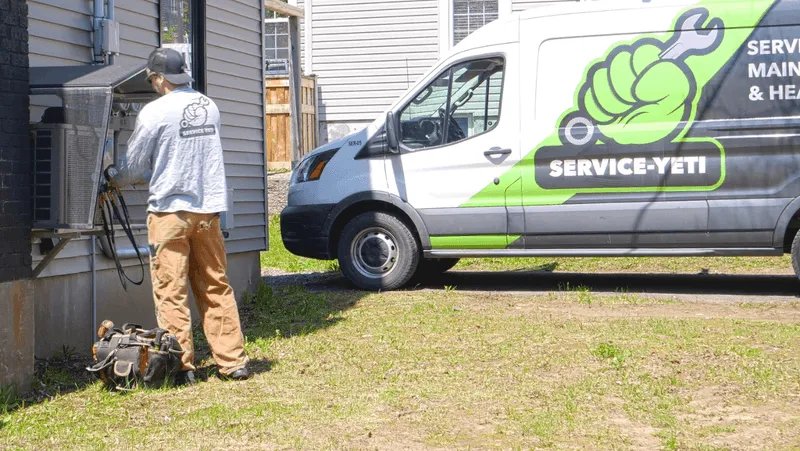
The Ultimate Homeowner's Guide to HVAC Maintenance Plans in Canada
Whether you own a heat pump, furnace, central air conditioner or ductless mini-split, regular maintenance is the key to lower energy bills, fewer repairs, improved comfort and a longer-lasting HVAC system. This guide explains everything homeowners need to know in one place.
HVAC maintenance is the routine inspection, cleaning, testing and servicing of your home's heating and cooling equipment. Regular professional maintenance helps improve efficiency, reduce unexpected breakdowns, extend equipment life, maintain manufacturer warranties and improve indoor comfort. Most residential systems should be professionally serviced at least once per year, while heat pumps typically benefit from two maintenance visits annually.
Protecting One of Your Home's Largest Investments
Your HVAC system is one of the largest investments in your home. Like any major mechanical system, it performs best when it is inspected and maintained regularly. Unfortunately, many homeowners wait until something breaks before calling a technician. By then, small issues may have developed into expensive repairs. This guide is designed to help homeowners understand what HVAC maintenance includes, why it matters, what it costs, how often it should be performed and how preventative care can save money over the life of the system.
Why HVAC Maintenance Matters
Routine maintenance protects your investment. Dust buildup, clogged filters, loose electrical connections and dirty coils reduce efficiency and place unnecessary stress on equipment. Over time, that stress increases wear on components such as compressors, blower motors and capacitors. Professional maintenance identifies these issues before they become major failures. Proper maintenance also improves airflow, supports healthier indoor air quality, helps maintain manufacturer warranties and reduces the likelihood of emergency service calls during extreme weather.
What Is HVAC Maintenance?
HVAC maintenance is a scheduled service performed by trained technicians to inspect, clean, test and optimize heating and cooling equipment so it runs safely, efficiently and reliably all year.
During a maintenance visit, technicians verify safe operation, measure system performance, clean critical components, inspect electrical systems, check refrigerant performance where applicable, test controls and identify early signs of wear. The objective is to keep the equipment operating safely, efficiently and reliably throughout the year.
- Preventative maintenance costs far less than major repairs.
- Clean equipment operates more efficiently and uses less energy.
- Early detection reduces unexpected breakdowns.
- Annual or semi-annual service helps maximize equipment lifespan.
- A well-maintained HVAC system delivers better comfort throughout every season.
What Is an HVAC Maintenance Plan?
An HVAC maintenance plan is an ongoing service agreement that provides scheduled preventative maintenance for your home's heating and cooling equipment, so you never have to remember to book it.
Rather than waiting until a system breaks down, homeowners receive regular inspections, cleaning and performance testing at planned intervals. Many plans also include priority scheduling, repair discounts and reminders when maintenance is due. The primary goal is to reduce unexpected failures while maximizing system performance and lifespan.
What Is Included in Professional HVAC Maintenance?
A professional residential maintenance visit should be comprehensive rather than a quick visual inspection. Homeowners should expect technicians to inspect, clean, test and document the condition of the system. Typical maintenance includes:
What Homeowners Should Expect
A professional technician should explain what was inspected, identify any concerns, answer questions and provide recommendations without using high-pressure sales tactics. Homeowners should receive a clear summary of the system's condition, any maintenance completed, items that may require monitoring and recommendations for future service if needed.
Benefits of Regular HVAC Maintenance
Routine maintenance delivers measurable long-term value. Clean coils improve heat transfer, allowing equipment to operate more efficiently. Proper airflow reduces stress on motors and compressors. Electrical inspections identify loose connections before they become safety concerns. Refrigerant checks ensure the system performs as designed. Overall, preventative maintenance helps reduce operating costs while extending equipment life.
Many expensive HVAC repairs begin as small issues. A weak capacitor, partially blocked drain, dirty filter or loose electrical connection can often be corrected during a routine visit before it damages larger components. Even modest efficiency improvements can lower annual heating and cooling costs over the life of the system.
- Lower energy consumption
- Improved indoor comfort
- Longer equipment lifespan
- Fewer unexpected breakdowns
- Better warranty compliance
- Improved indoor air quality
- Higher operating costs
- Increased wear on components
- More emergency repairs
- Greater chance of premature equipment replacement
- Reduced system efficiency
- Higher long-term ownership costs
How Often Should You Service Your HVAC System?
Most residential HVAC systems should receive professional maintenance at least once each year. Heat pumps work nearly year-round and are best serviced twice annually, once in spring before cooling season and again in fall before heating season.
Furnaces and central air conditioners that operate independently should each receive an annual tune-up before their primary season of use. Here is a simple schedule to follow:
Monthly Homeowner Checklist
- Check and replace air filters when required
- Keep outdoor units free of leaves and debris
- Keep indoor vents unobstructed
- Monitor for unusual noises or odours
- Confirm the thermostat is operating correctly
Any unusual performance should be investigated before it develops into a larger problem.
Seasonal HVAC Maintenance Schedule
Spring
Spring is the ideal time to prepare cooling equipment for warmer weather. Professional maintenance should include cleaning outdoor coils, inspecting electrical components, testing cooling performance, verifying refrigerant operation where applicable, cleaning condensate drains and confirming proper airflow. Homeowners should also remove winter debris from around outdoor equipment and trim vegetation to maintain adequate clearance.
Summer
During the cooling season, homeowners should monitor system performance, replace filters as needed and ensure outdoor units remain clean and unobstructed. If cooling performance changes noticeably, unusual sounds develop or energy bills increase unexpectedly, schedule a service visit before the issue worsens.
Fall
Before temperatures drop, heating equipment should be inspected to ensure safe and reliable operation throughout winter. Furnace maintenance should include burner inspection, safety control testing, blower inspection, thermostat verification and airflow testing. Heat pumps should be evaluated for proper heating performance and defrost operation before cold weather arrives.
Winter
Throughout winter, keep snow, ice and drifting snow away from outdoor heat pump units while avoiding damage to fins or coils. Replace filters when necessary and monitor for changes in heating performance. Never block outdoor airflow or attempt to chip ice from the unit using sharp tools.
Maintenance by System Type
Different equipment has different maintenance priorities. Below are dedicated guides for the four most common residential systems, including what technicians inspect and simple tips homeowners can follow between visits.
Heat Pump Maintenance Guide
Heat pumps are among the most efficient heating and cooling systems available because they provide year-round comfort from a single piece of equipment. Unlike furnaces or central air conditioners that operate seasonally, a heat pump works throughout much of the year. This increased workload means regular maintenance is essential to maintain efficiency, reduce wear on major components and maximize system lifespan. Greenfoot recommends professional maintenance twice annually, once before the cooling season and once before the heating season.
What Technicians Inspect on a Heat Pump
A comprehensive heat pump maintenance visit should include cleaning indoor and outdoor coils, inspecting electrical components, testing blower motors, checking refrigerant performance where appropriate, verifying thermostat operation, inspecting condensate drains, measuring airflow, confirming defrost operation and identifying any signs of wear that could lead to future breakdowns.
Homeowner Heat Pump Tips
Between professional visits, homeowners should replace or clean filters according to manufacturer recommendations, keep outdoor units free of leaves, grass and snow, avoid blocking airflow around the outdoor unit and monitor for unusual sounds, reduced airflow or changes in heating and cooling performance.
Furnace Maintenance Guide
Whether powered by natural gas, propane or electricity, a furnace should be professionally serviced before each heating season. A properly maintained furnace operates more efficiently, delivers more consistent indoor comfort and helps ensure safe operation throughout the winter. Routine inspections also help identify worn components before they fail during the coldest months of the year.
What Technicians Inspect on a Furnace
Professional furnace maintenance typically includes inspection of burners, ignition systems, blower assemblies, electrical connections, safety controls, air filters, thermostats and airflow. Technicians also verify proper combustion performance where applicable and ensure the heating system is operating safely and efficiently.
Homeowner Furnace Tips
Replace filters on schedule, keep the area around the furnace clear, and pay attention to changes in heating performance, unusual smells or short cycling. Any concern involving combustion, gas or electrical components should be handled by a trained professional.
Central Air Conditioner Maintenance
Central air conditioners experience significant demand during the summer months. Dirty coils, clogged filters and reduced airflow can dramatically reduce cooling performance while increasing electricity consumption. Annual spring maintenance helps prepare the system for peak cooling season and reduces the likelihood of unexpected breakdowns during periods of extreme heat.
What Technicians Inspect on Central Air Systems
Maintenance generally includes cleaning condenser coils, inspecting evaporator coils where accessible, verifying refrigerant performance, checking capacitors and contactors, inspecting electrical wiring, cleaning condensate drains, testing thermostat operation and measuring overall system performance.
Homeowner Central AC Tips
Keep the outdoor condenser clear of grass clippings, leaves and debris, replace filters regularly and watch for warm air, weak airflow or rising energy bills. Address changes in performance early to avoid mid-summer breakdowns.
Ductless Mini-Split Maintenance
Ductless mini-split systems require many of the same maintenance procedures as conventional heat pumps but with additional attention given to indoor heads. Dust accumulation on filters and blower wheels can significantly reduce airflow and efficiency. Routine cleaning helps maintain quiet operation, improve indoor air quality and maximize energy efficiency.
What Technicians Inspect on a Mini-Split
A thorough mini-split visit includes cleaning indoor head filters and blower wheels, inspecting and cleaning outdoor coils, checking refrigerant performance where appropriate, testing electrical components and controls, clearing condensate lines and confirming both heating and cooling performance.
Homeowner Mini-Split Tips
Clean or rinse the indoor head filters regularly, wipe down accessible surfaces, keep the outdoor unit clear and monitor for reduced airflow, unusual noise or moisture around the indoor heads.
Common Signs Your HVAC System Needs Maintenance
Homeowners should schedule professional maintenance if they notice any of the following. Addressing these symptoms early often prevents more expensive repairs.
Equipment Lifespan Expectations
Actual lifespan depends on installation quality, operating conditions and maintenance. With consistent preventative care, homeowners can generally expect:
HVAC Maintenance Costs vs Repair Costs
Professional HVAC maintenance is one of the lowest-cost investments homeowners can make in protecting their heating and cooling system. Routine maintenance is predictable and budget-friendly. Emergency repairs are not.
Costs vary depending on equipment type, system complexity, accessibility and the services included. Rather than focusing only on the upfront price, homeowners should evaluate the long-term value of improved efficiency, reduced repair costs and extended equipment life. Maintenance memberships often provide additional value through scheduled visits, priority service and repair discounts.
Many major HVAC failures begin with minor issues that are inexpensive to correct when discovered early. A loose electrical connection, failing capacitor, dirty coil or blocked condensate drain can often be addressed during routine maintenance before damaging more expensive components. Clean coils, unrestricted airflow and properly adjusted equipment also operate more efficiently, and even modest efficiency improvements can reduce annual heating and cooling costs.
Understanding the $5,000 Rule
A commonly referenced guideline within the HVAC industry is the "$5,000 Rule." Multiply the age of the equipment by the estimated repair cost. If the result exceeds approximately $5,000, replacement may deserve serious consideration. This is only a guideline, not a guarantee, and should always be evaluated alongside equipment condition, energy efficiency, warranty status and expected remaining lifespan.
When Should You Repair Instead of Replace?
The decision depends on equipment age, repair history, operating efficiency and the cost of the required repair. If the equipment is relatively new, has been maintained regularly and the repair is minor, repairing the system is often the best option. However, repeated breakdowns, declining efficiency and significant component failures may indicate replacement is the better long-term investment.
Signs It May Be Time to Replace
Consider replacement when repairs become frequent, utility bills continue to rise despite maintenance, comfort becomes inconsistent, replacement parts become difficult to source or the system approaches the end of its expected service life. A professional inspection can help determine whether continued repairs or replacement offers better long-term value.
Is an HVAC Maintenance Plan Worth It?
For most homeowners, yes. A maintenance plan turns unpredictable emergency repairs into predictable, budget-friendly care. It helps protect efficiency, comfort and equipment life while reducing the likelihood of a breakdown during the coldest or hottest days of the year, exactly when you rely on your system most and when service demand is highest.
- Preventative maintenance costs significantly less than most major repairs.
- Routine service helps improve energy efficiency and indoor comfort.
- The $5,000 Rule is a useful guideline but should not replace a professional assessment.
- Repair and replacement decisions should consider age, repair history, efficiency and overall condition, not price alone.
DIY Maintenance vs Professional Maintenance
Homeowners play an important role in keeping a system healthy, but some tasks require trained professionals. Knowing the difference keeps your equipment safe and your warranty intact.
- Replace or clean air filters on schedule
- Keep outdoor units clear of leaves, grass and snow
- Keep indoor vents unobstructed
- Monitor for unusual noises, odours or performance changes
- Electrical system inspection and testing
- Refrigerant performance checks
- Combustion and gas equipment inspection
- Coil cleaning, calibration and performance measurement
Common homeowner mistakes include ignoring dirty filters, blocking vents with furniture, storing items around outdoor units, delaying service after noticing unusual noises, and assuming newer equipment does not require maintenance. Even new systems benefit from routine inspections.
Choosing the Right HVAC Maintenance Company
Homeowners should choose an HVAC company based on qualifications, reputation and transparency rather than price alone. Look for licensed and certified technicians, strong customer reviews, clearly defined maintenance checklists, upfront pricing, responsive customer service and experience servicing your specific equipment brand. A trustworthy company should explain findings clearly and recommend repairs only when they are genuinely necessary.
What to Look For in a Maintenance Membership
A quality maintenance membership should provide ongoing value rather than simply bundling annual visits. Look for:
Compare Greenfoot's YETI Maintenance Plans
Greenfoot's YETI membership plans turn HVAC maintenance into a predictable monthly cost while adding priority service, diagnostic savings and repair discounts. Compare the three tiers below and choose the level of coverage that fits your home. Additional equipment can be added for $10/month on the Base Plan, $15/month on the Summit Plan, and $20/month on the Peak Plan.
YETI Base Plan
Essential HVAC maintenance for your home

Main Equipment
Additional equipment: $10/month
YETI Summit Plan
Enhanced protection with additional benefits

Main Equipment
Additional equipment: $15/month
Central
Ductless
Benefits + Discounts
Visit
Pricing
*Maintenance visit will be done at time of diagnostic
**Certain limitations may apply on extended parts warranty
***Filters not included, additional cost for filter replacement
Note: Additional charge for after hours service.
YETI Peak Plan
Ultimate HVAC care with maximum savings

Main Equipment
Additional equipment: $20/month
Diagnostic fees are fully waived on the Peak plan with an active membership. Repair warranty coverage requires an active membership and applies only to parts no longer under manufacturer's warranty; filters are not included (additional cost for filter replacement). See the full membership plans page for complete details and to sign up.
Frequently Asked Questions
Most residential maintenance appointments take between 60 and 120 minutes depending on the equipment installed.
Homeowners can replace filters and keep outdoor units clean, but inspections involving electrical systems, refrigerant or combustion equipment should be completed by trained professionals.
Properly maintained systems generally operate more efficiently, which can contribute to lower operating costs. Clean coils, unrestricted airflow and correctly adjusted equipment all use less energy.
Many manufacturers recommend or require regular professional maintenance to support warranty coverage. Always review your warranty documentation for specific requirements.
Yes. New equipment benefits from routine inspections to verify proper operation and identify issues before they become significant. Routine service also helps maintain warranty requirements.
No. Maintenance reduces risk but cannot eliminate normal wear or unexpected component failures. It does make surprises far less likely.
Yes. Clean, properly adjusted systems generally operate more efficiently than neglected equipment, which helps with both comfort and cost.
Yes. Consistent preventative maintenance is one of the most effective ways to maximize the lifespan of HVAC equipment.
HVAC Maintenance Guides
What to do each season to keep heating and cooling reliable.
The filter, safety and fall tune-up tasks every furnace needs.
Keep your air conditioner efficient with simple seasonal care.
Why furnaces need yearly service but heat pumps need it twice.
Typical tune-up and diagnostic prices, and how to spend less.
The $5,000 rule and when replacing beats another repair.
What you can safely do yourself and what needs a technician.
The noises, smells and warning signs to never ignore.
How to tell if a heat pump maintenance plan pays for itself.
Step-by-step filter cleaning for ductless heat pumps.
Related Greenfoot Services
Scheduled visits, priority service and repair discounts.
Expert heat pump maintenance, repair and installation.
Keep your cooling system efficient all summer.
Fast, reliable repairs from certified technicians.
Ductless comfort with efficient year-round performance.
Questions about your system? Talk to our team.
Book Your HVAC Maintenance
Preventative maintenance is one of the simplest ways to improve comfort, reliability and efficiency while reducing the likelihood of unexpected repairs. Our Red Seal certified technicians service all major HVAC brands across Atlantic Canada and British Columbia. Let us help you protect your investment.