November 13, 2025
3
David Wilson
November 28, 2025
5 min
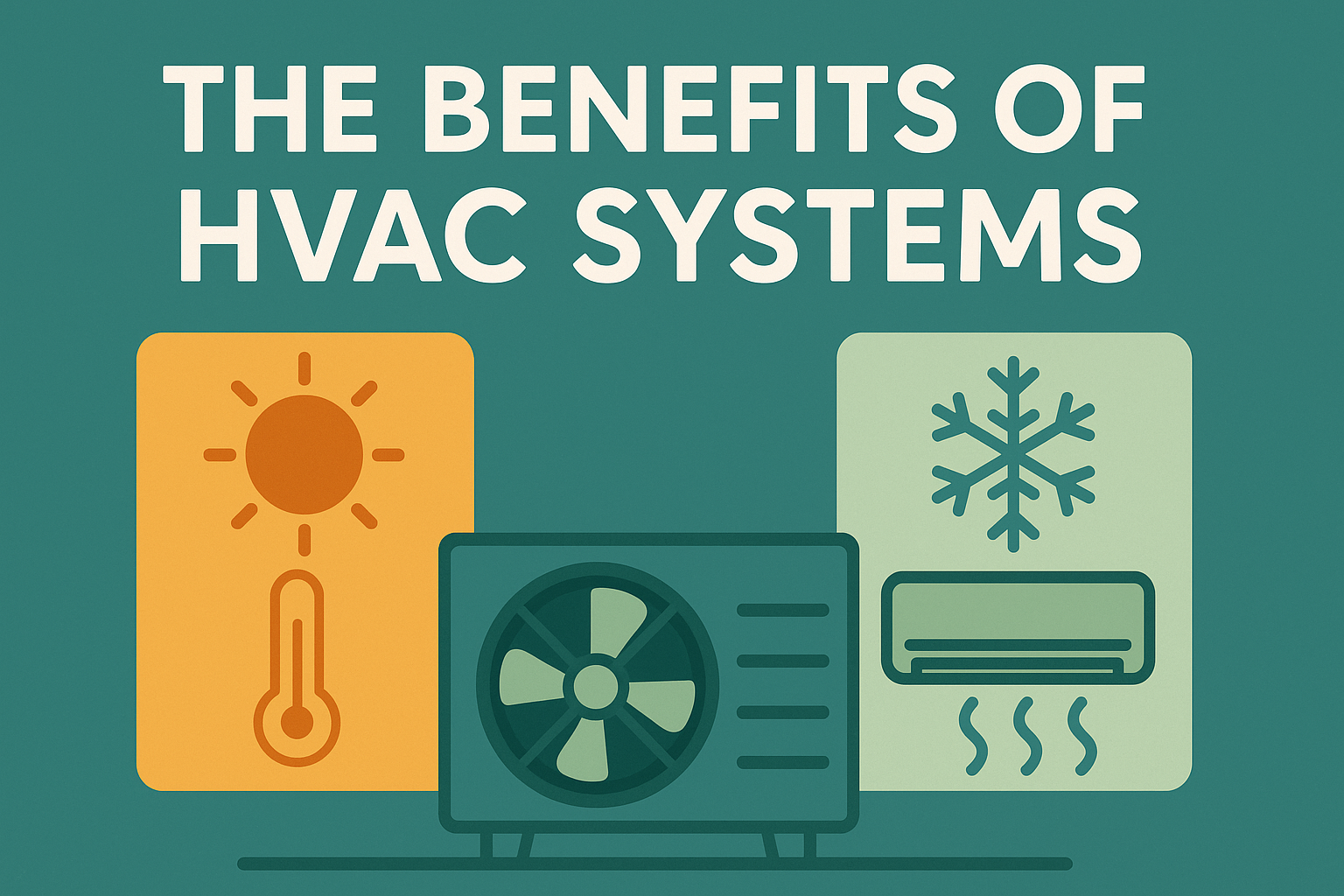
A well-designed HVAC system is essential for maintaining a healthy, comfortable, and energy-efficient indoor environment. Beyond temperature regulation, today’s systems enhance air quality, optimize airflow, and reduce your home’s environmental footprint.
Modern HVAC systems ensure comfort in every season by maintaining precise temperature and humidity levels. Whether heating your home in the winter or cooling it during the summer, these systems create a consistent, balanced environment for year-round comfort.
HVAC systems play a major role in filtering and circulating air, removing dust, allergens, and other airborne pollutants. This promotes a cleaner, healthier space—especially for households with children, pets, or allergy sensitivities.
Energy-efficient HVAC systems use advanced technologies like inverter-driven motors, variable-speed compressors, and smart thermostats to deliver powerful performance with lower energy consumption. This helps homeowners reduce utility bills while supporting a greener future.
Heat pumps stand out for their ability to provide both heating and cooling from one efficient system. By transferring heat instead of generating it, they use far less energy than conventional systems—reducing carbon emissions and operating costs.
Investing in a high-efficiency HVAC system provides years of reliable comfort, lower maintenance costs, and higher property value. When installed and maintained by certified technicians, these systems can deliver consistent savings and dependable performance.
With smart thermostats, zoning technology, and remote access, modern HVAC systems allow homeowners to control comfort from anywhere. This integration of technology makes managing your home’s efficiency simpler and more effective.
HVAC systems are an investment in comfort, health, and sustainability. With proper installation, maintenance, and modern technology, homeowners can enjoy improved air quality, lower energy bills, and year-round comfort—all while reducing their environmental impact.

.png)